


Ingredient format
Aseptic
Sterilized, then filled into sterile packaging: shelf-stable at room temperature until opened.
What it is
What Aseptic means
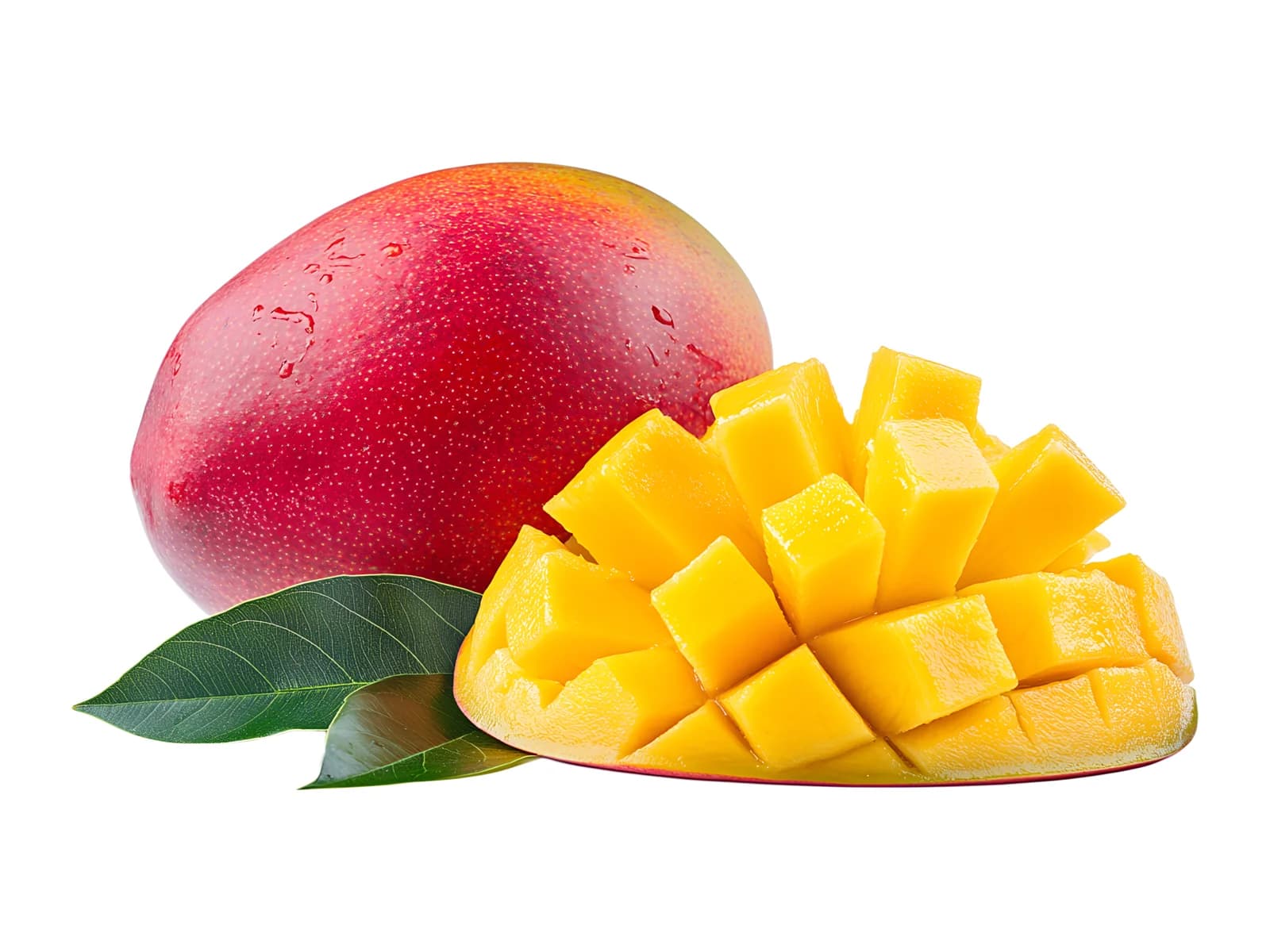
Aseptic product is sterilized and then filled into packaging that has itself been sterilized, in a closed, sterile environment. The fruit or vegetable, usually as a puree, a concentrate or small pieces, is heated to kill the microorganisms that would spoil it, cooled, and sealed into its package without ever being exposed to the outside air.
The result is shelf-stable. Unopened, it can be stored and shipped at room temperature, with no freezer or cooler needed. Once a package is opened it has to be handled like a fresh product and kept refrigerated.
Aseptic ingredients for manufacturing usually come in large sterile bags, often inside drums, totes or boxes, sized to be emptied into a batch.
How it compares
Aseptic versus similar formats
The formats buyers most often weigh it against, and what actually differs.
Aseptic vs.
Canned
Canned product is sealed in its container first and then heated in it, so the heat has to work its way through the whole can. Aseptic product is heated before it is packed, which usually means a shorter time at high temperature and less effect on color and flavor. Aseptic packs are also generally much larger than cans.
Aseptic vs.
Frozen Puree
Frozen puree has to be kept frozen and thawed before use. Aseptic puree is stored at room temperature until opened, which saves on frozen storage and freight and removes the thawing step.
Aseptic vs.
HPP
HPP (high pressure processing) uses pressure rather than heat to control microorganisms, so the product tastes closer to fresh. It is not shelf-stable, though: HPP product needs cold storage. Aseptic product is heat-treated and shelf-stable at room temperature until opened.
In manufacturing
What it's used for
Aseptic is used where a manufacturer wants a consistent, ready-to-use puree or base without frozen storage. Common uses include:
- Juices, smoothies and other beverages
- Sauces, salsas and dressings
- Fruit preparations for yogurt and other dairy
- Bakery fillings
- Baby food and purees
- Soups and soup bases
What we supply
Aseptic ingredients
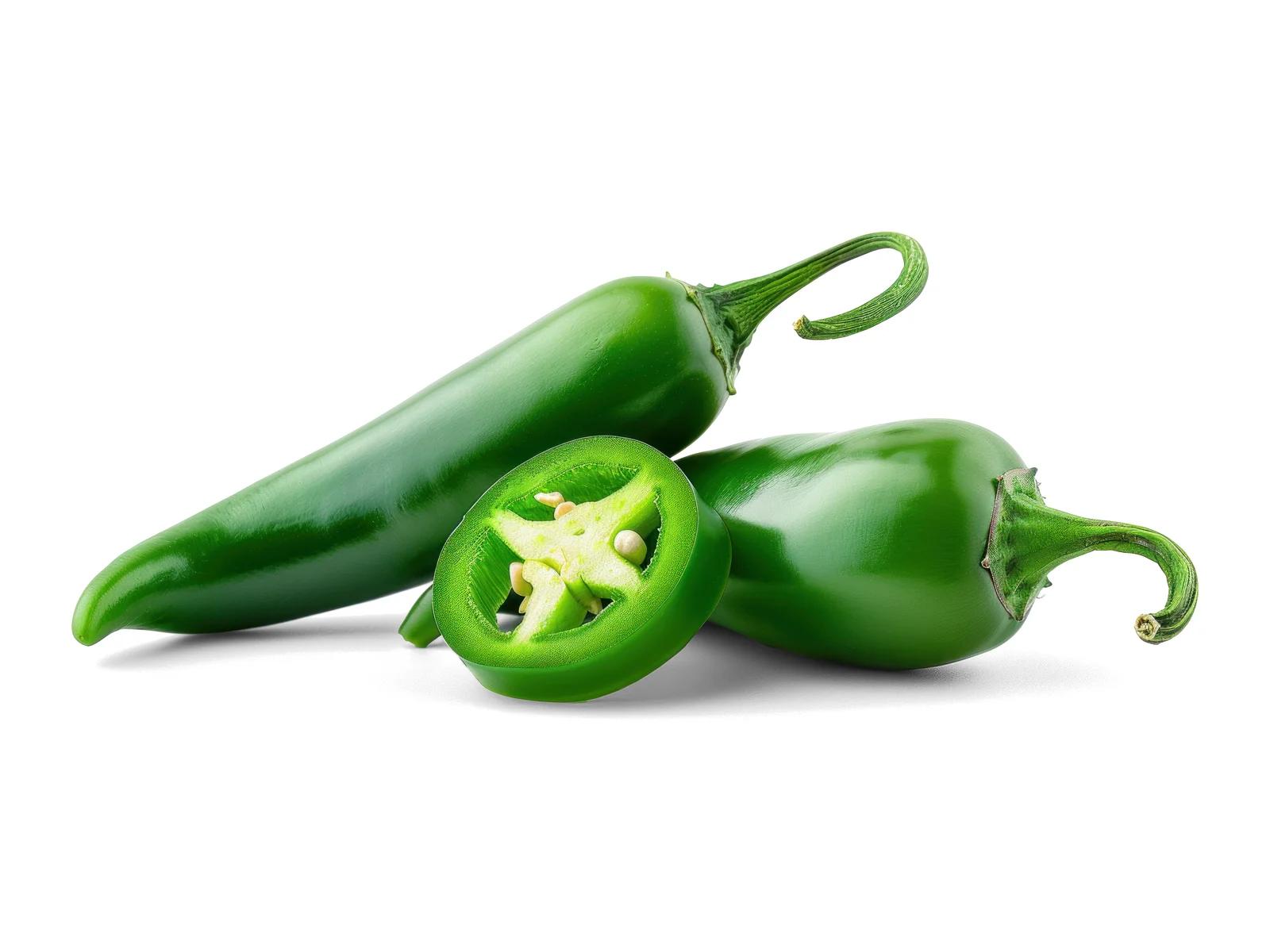
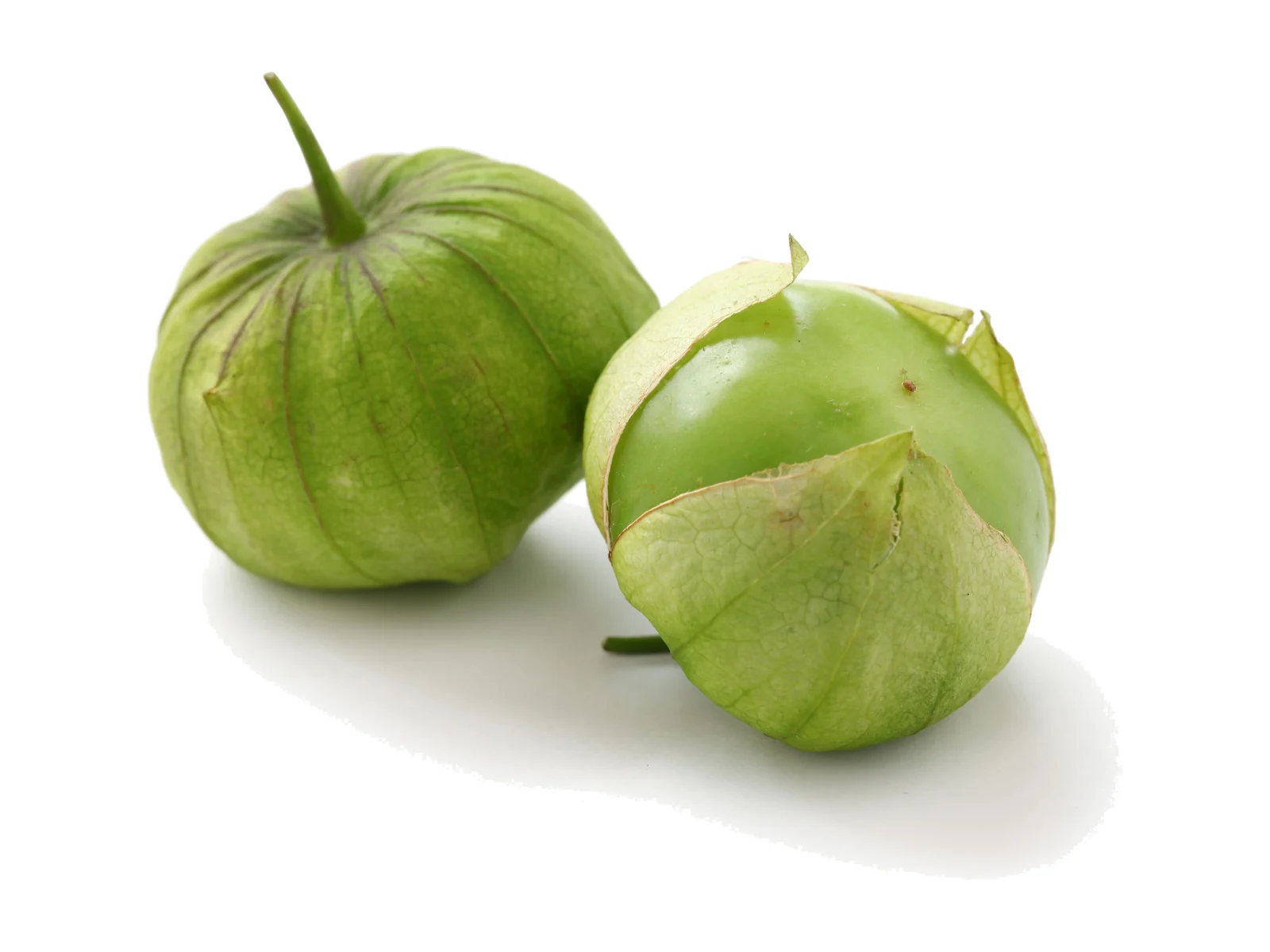
11 ingredients are currently listed as Aseptic. Cuts, pack sizes and specs are on each ingredient's page.
Vegetables5
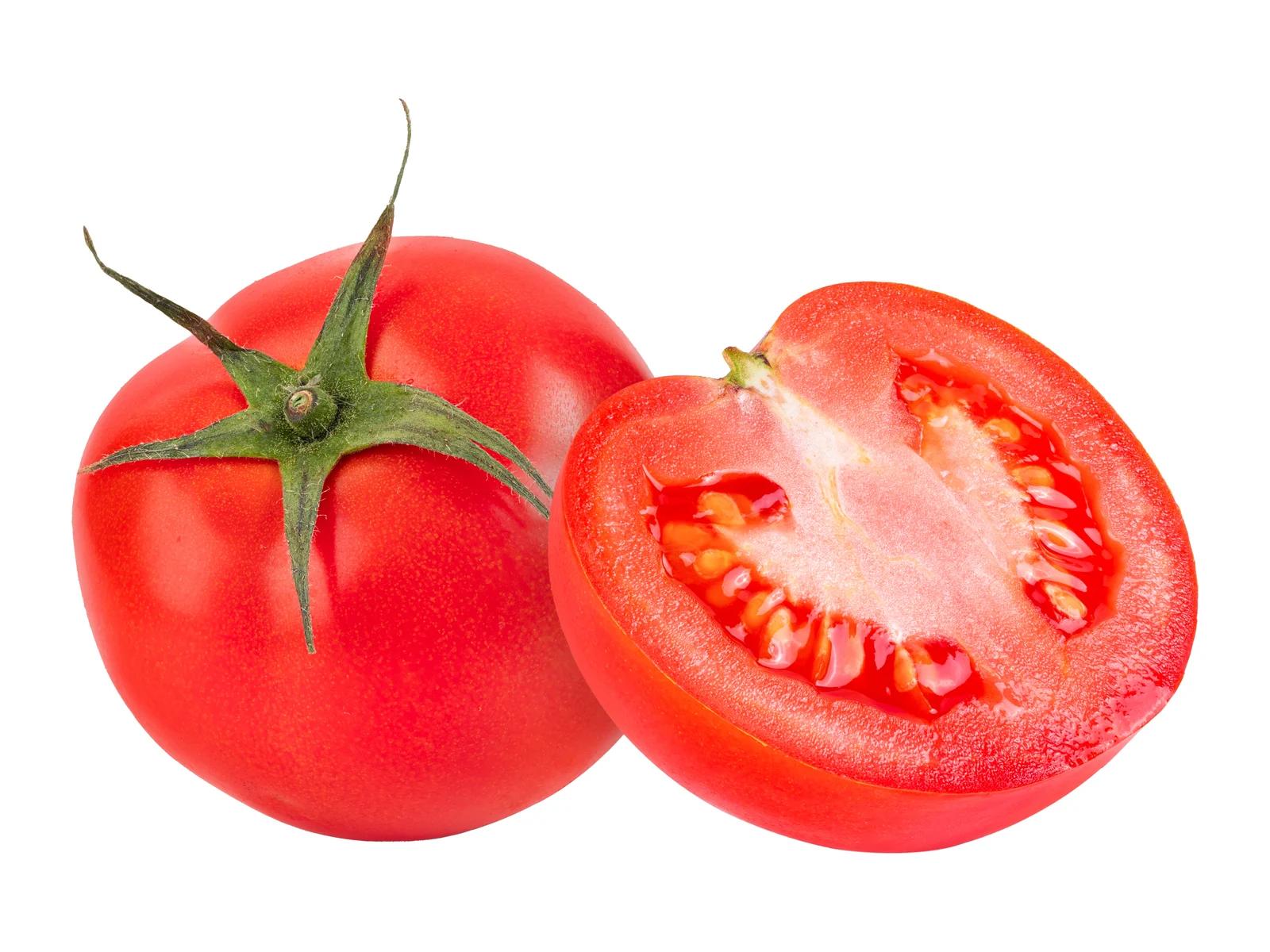
Fruits6
Don't see what you need? Ask us — we can usually source it. Or see all formats.