


Ingredient format
Canned
Sealed in the can and cooked in it: shelf-stable at room temperature until opened.
What it is
What Canned means
Canned product is sealed in its can and then heated in the can until it is commercially sterile. That heat both cooks the product and preserves it, so an unopened can keeps at room temperature with no freezer or cooler.
Canned beans are packed in water, which is drained before use. Once a can is opened, the contents need to be refrigerated like a fresh product.
Because it is ready to use and stores without refrigeration, canned product is simple to hold in inventory, and it is already cooked.
How it compares
Canned versus similar formats
The formats buyers most often weigh it against, and what actually differs.
Canned vs.
Aseptic
Aseptic product is sterilized before it is packed, usually for a shorter time at high temperature, and comes in large bags in drums or totes. Canned product is heated in the can, so it is cooked further, and comes in cans.
Canned vs.
IQF Ready to Eat
IQF Ready to Eat beans are also fully cooked, but are frozen without any liquid and stored frozen. They can be weighed out by the piece, with no draining, and generally hold a firmer texture.
Canned vs.
Dry beans
Dry beans cost the least to ship and store, but have to be soaked and cooked on site. Canned beans arrive cooked and ready to use.
Not a format we currently list.
In manufacturing
What it's used for
Canned ingredients are used where a manufacturer wants cooked, shelf-stable product that needs no freezer space. Common uses include:
- Soups, stews and chili
- Dips and spreads, such as hummus and bean dips
- Refried beans and burrito fillings
- Salads and salad bars
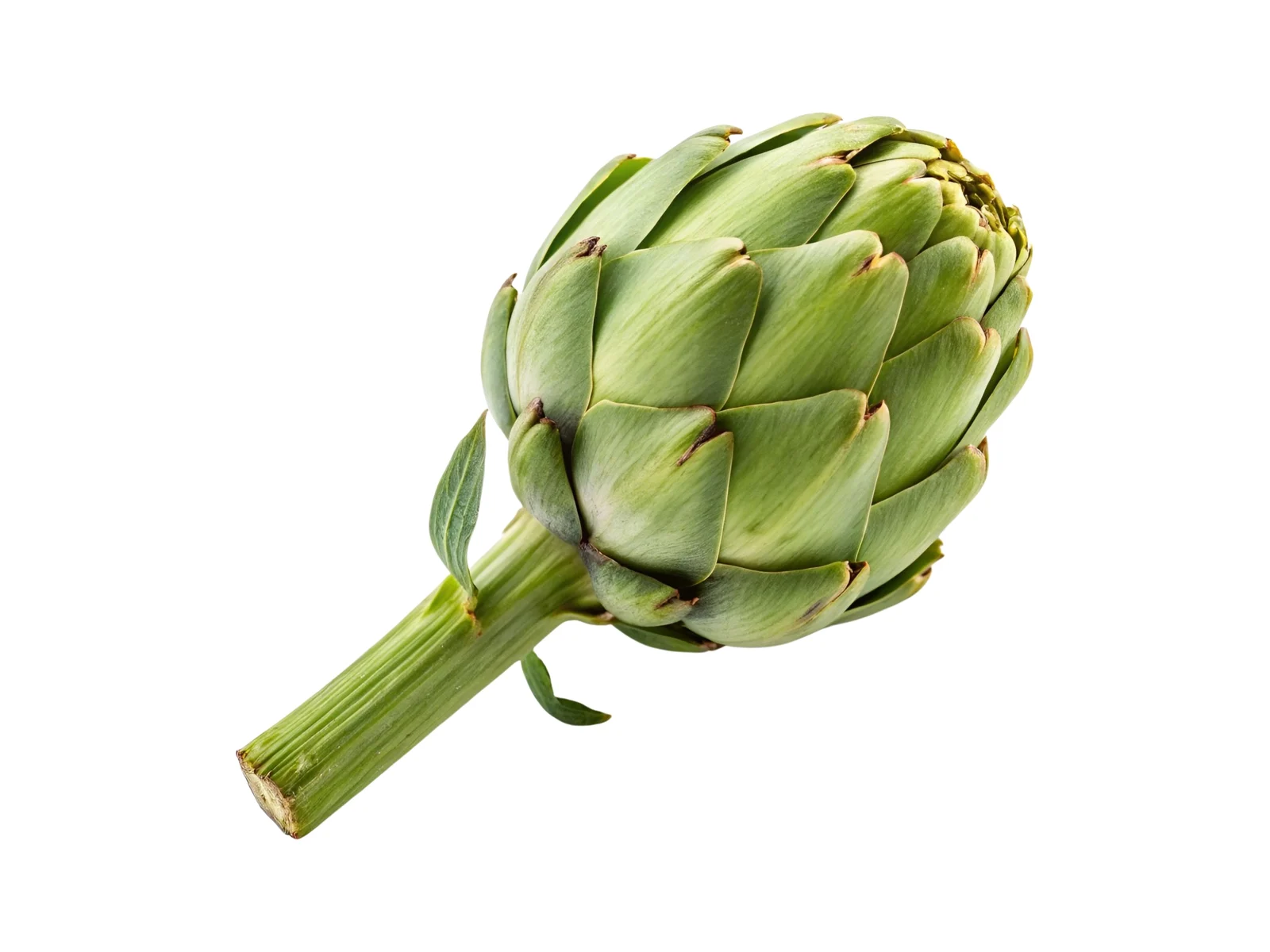
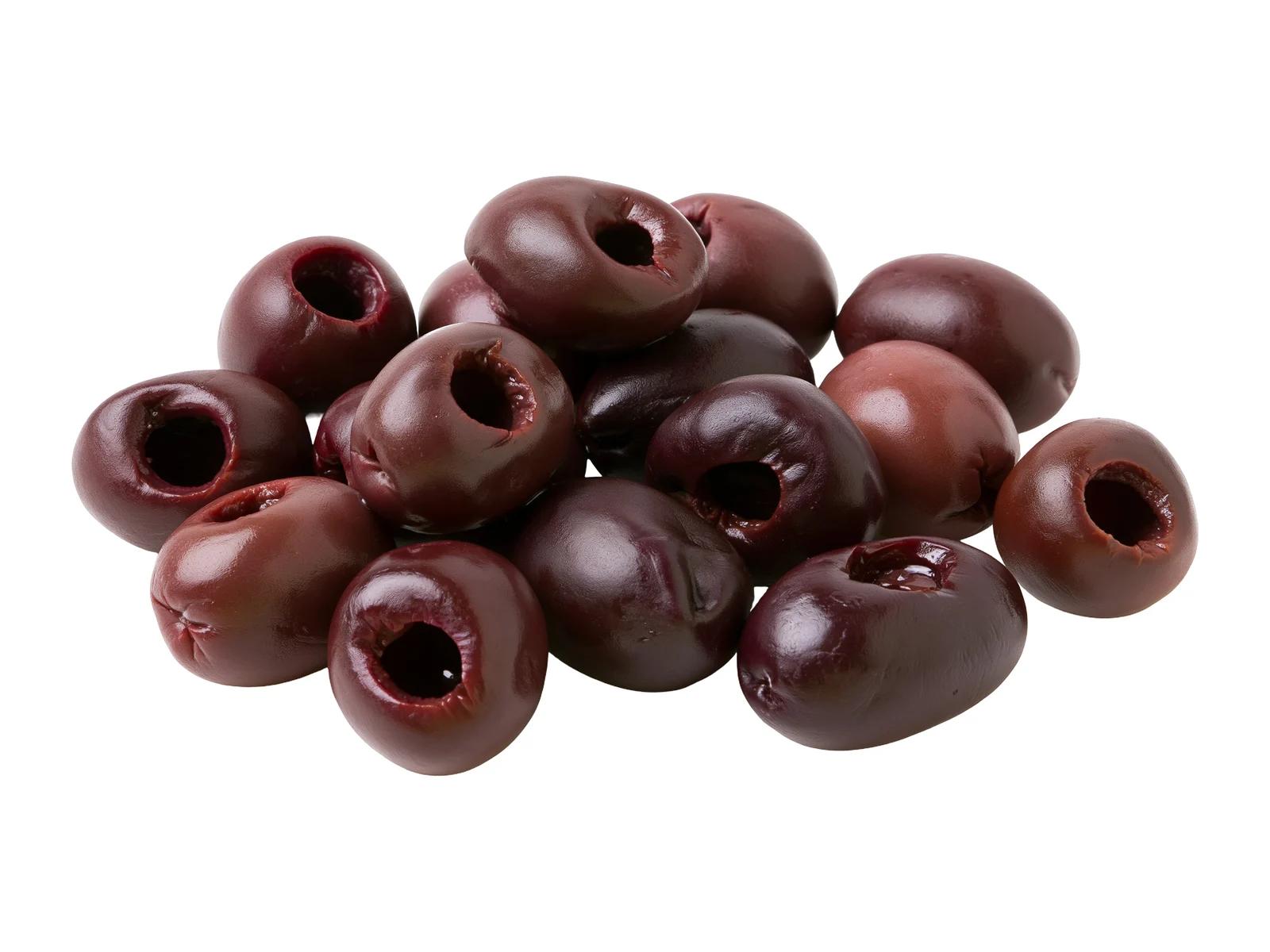
- Pizza toppings, such as olives and artichokes
What we supply
Canned ingredients
17 ingredients are currently listed as Canned. Cuts, pack sizes and specs are on each ingredient's page.
Vegetables6
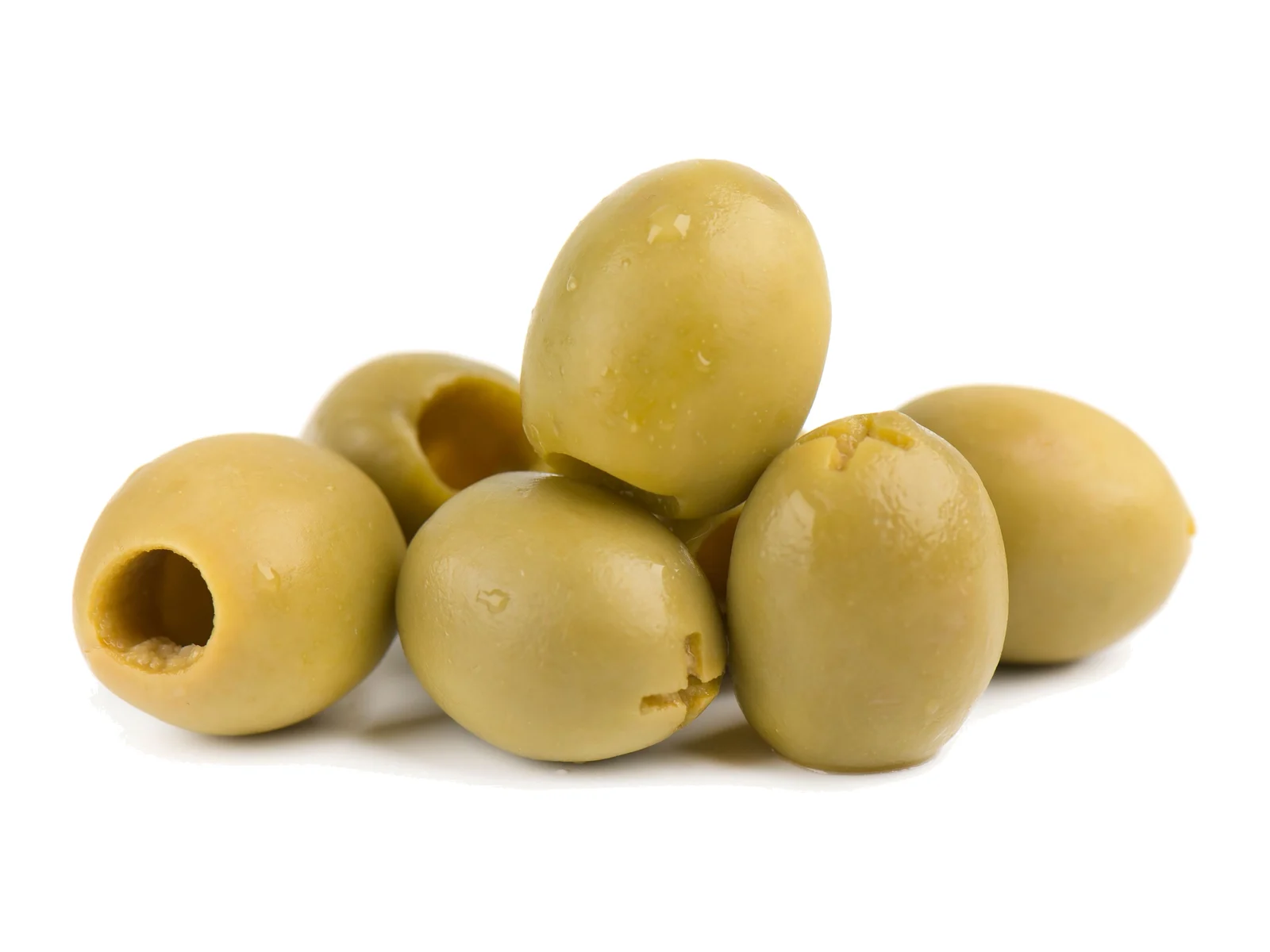
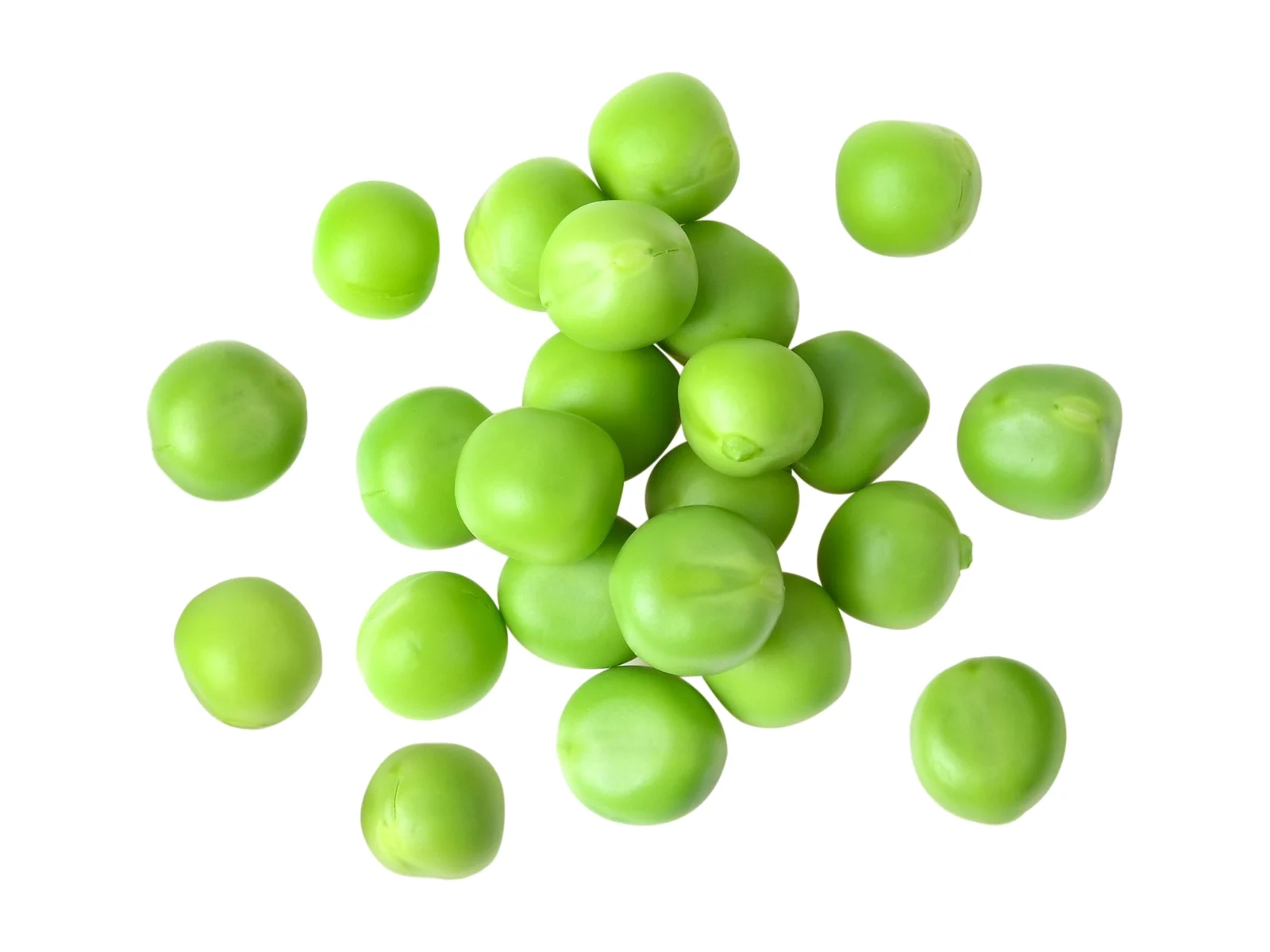
Grains & Beans11
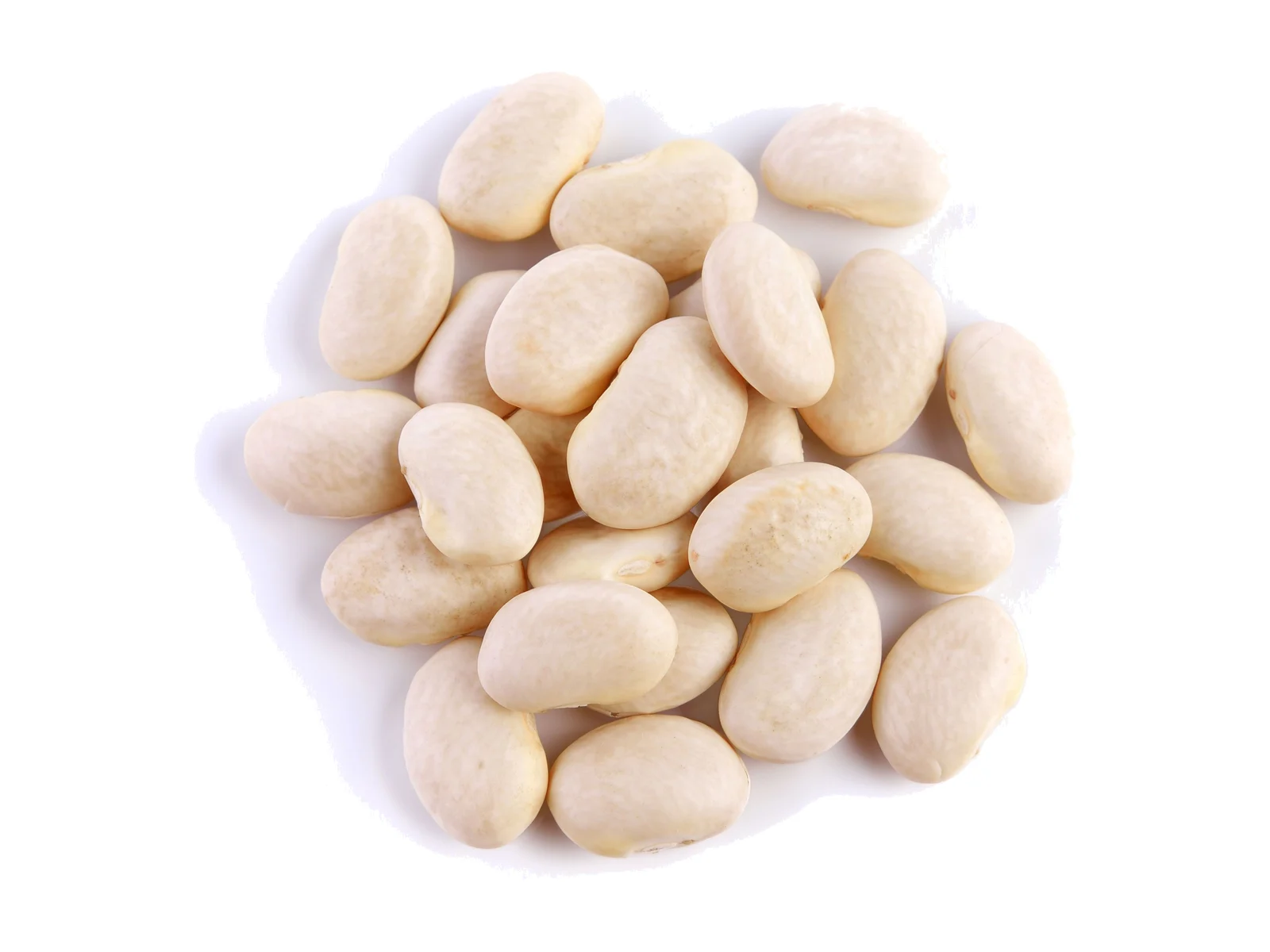
Great Northern Beans
IQF Ready to Eat · Canned

Pinto Beans
IQF Ready to Eat · Canned
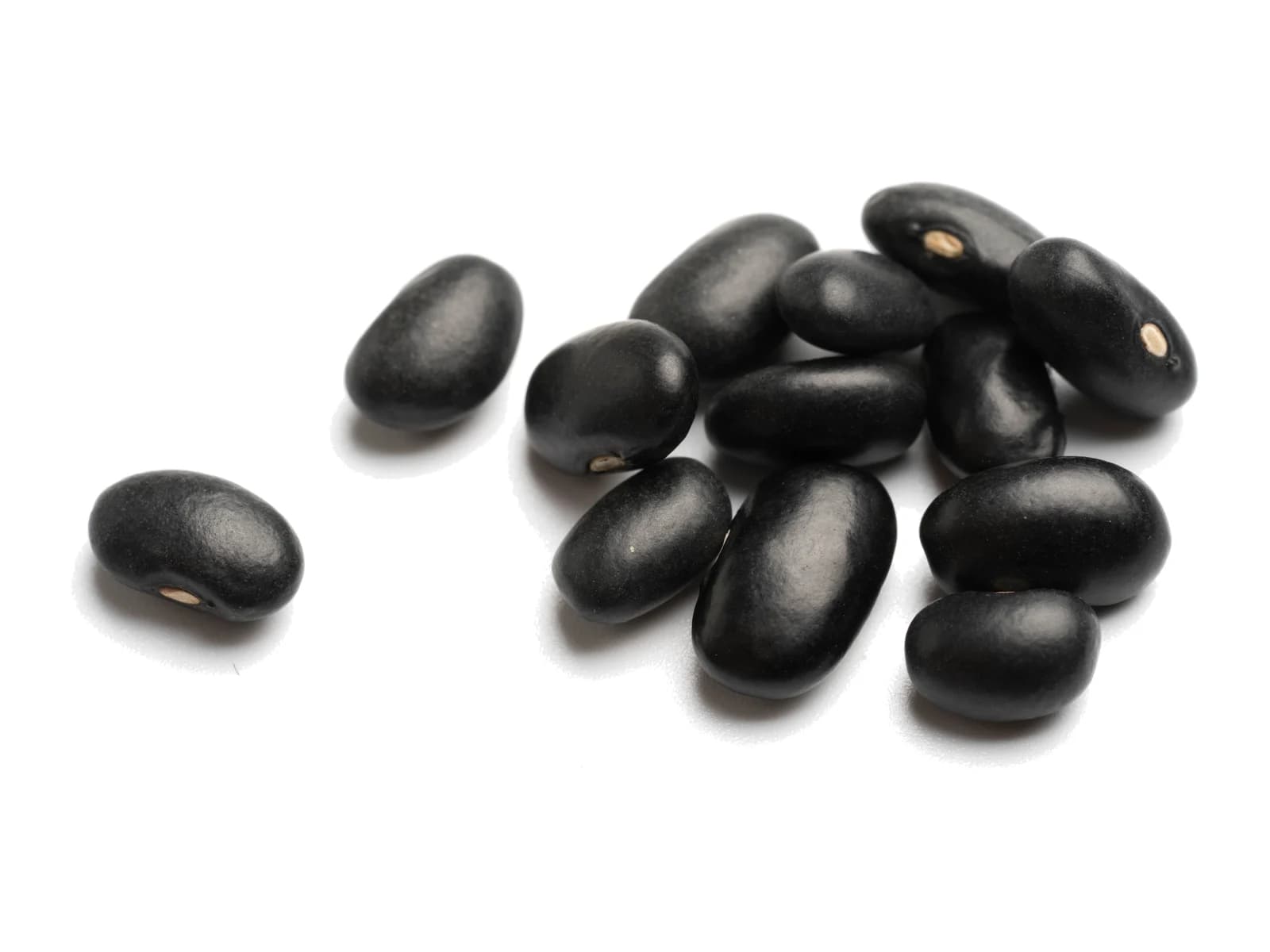
Black Beans
IQF Ready to Eat · Canned
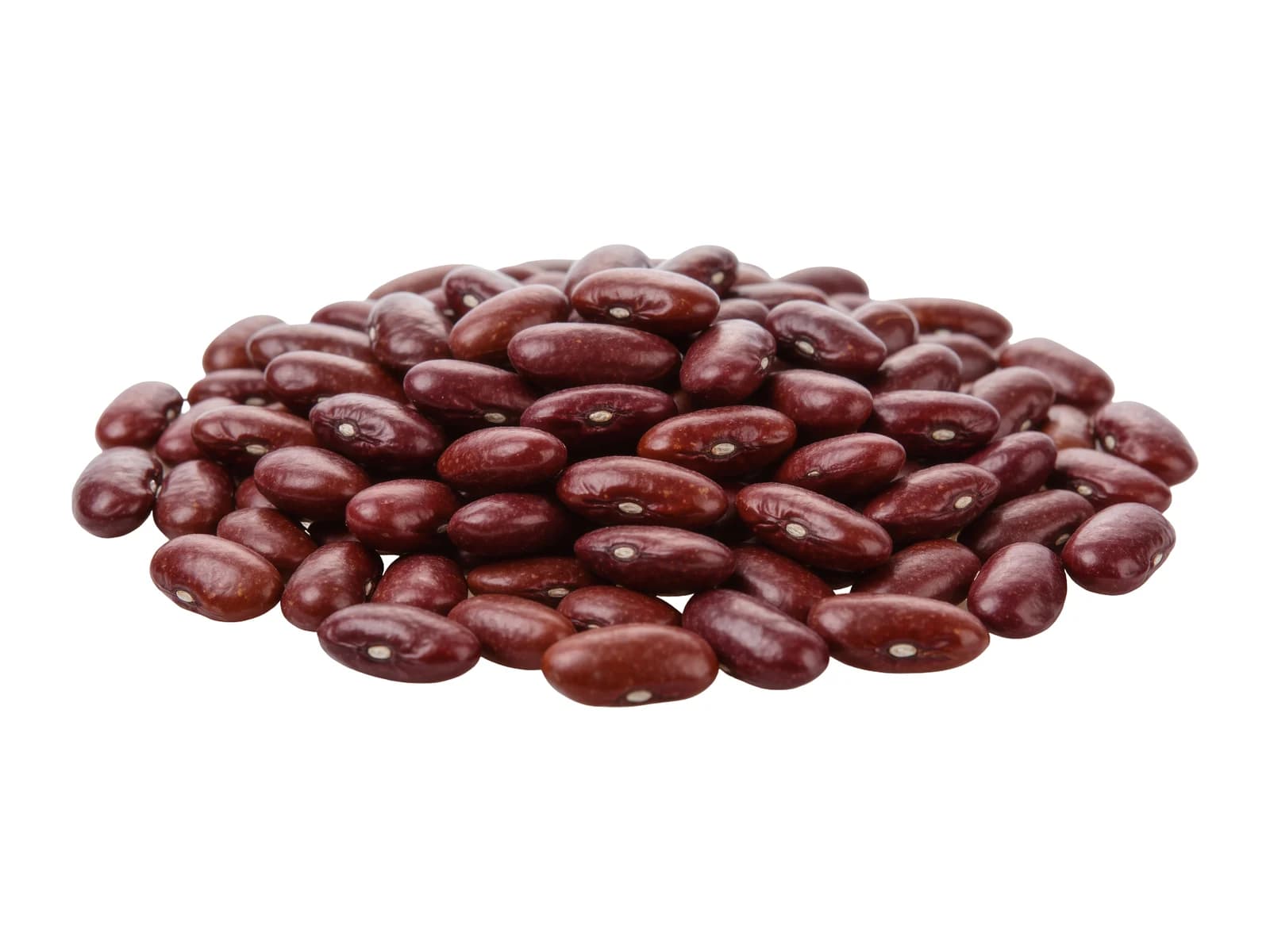
Red Kidney Beans
IQF Ready to Eat · Canned
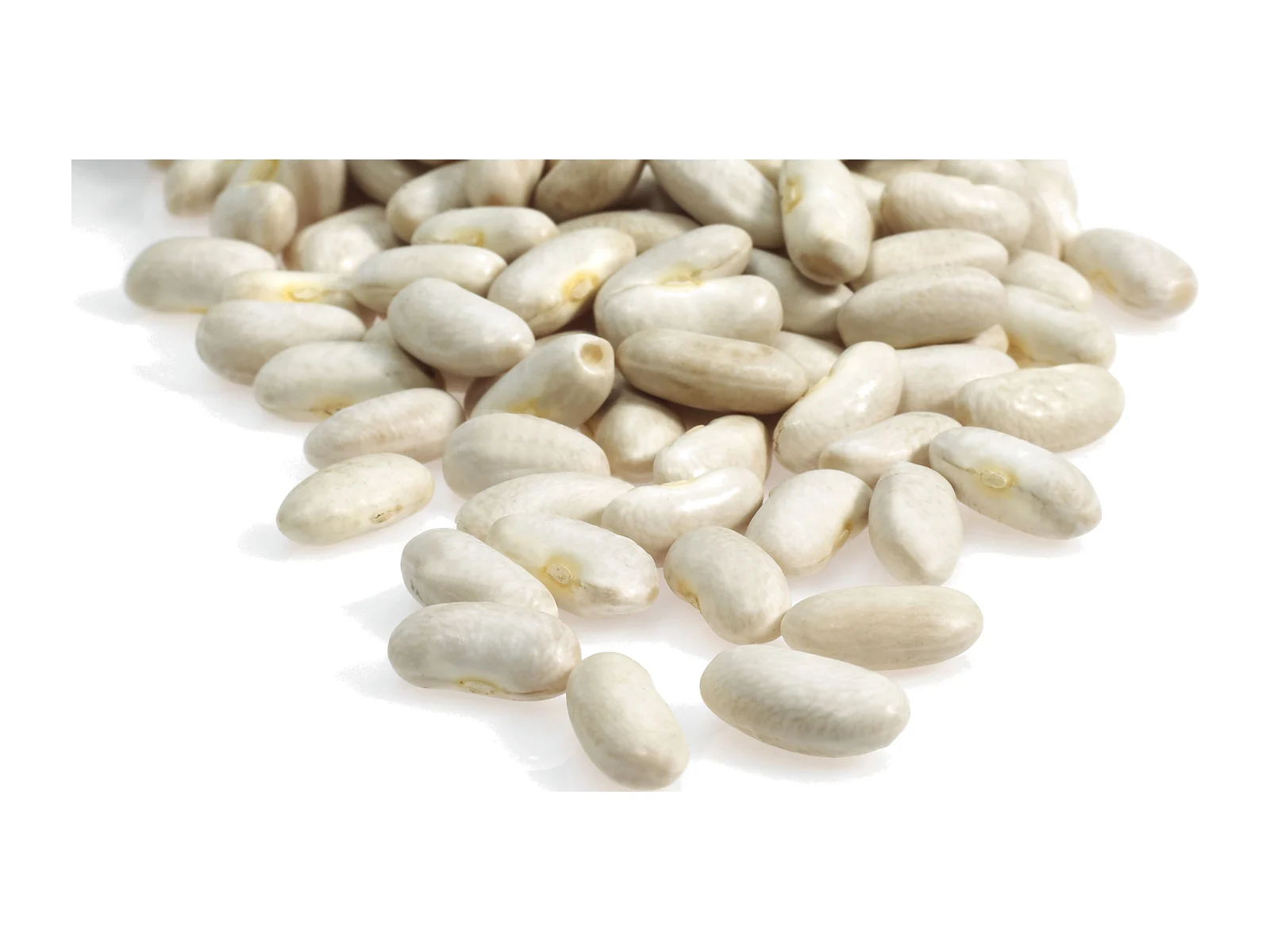
White Kidney Beans
IQF Ready to Eat · Canned
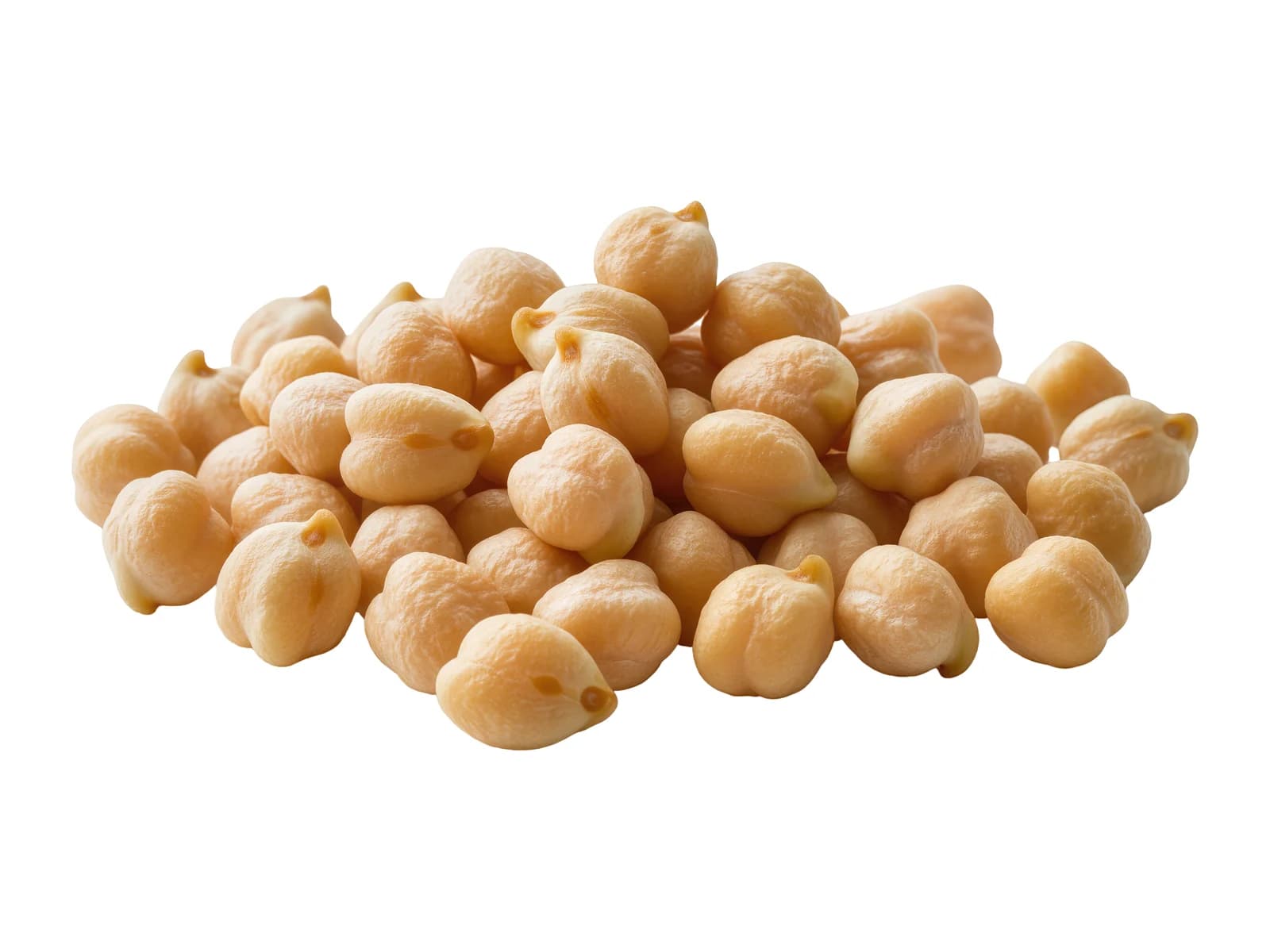
Garbanzo Beans
IQF Ready to Eat · Canned
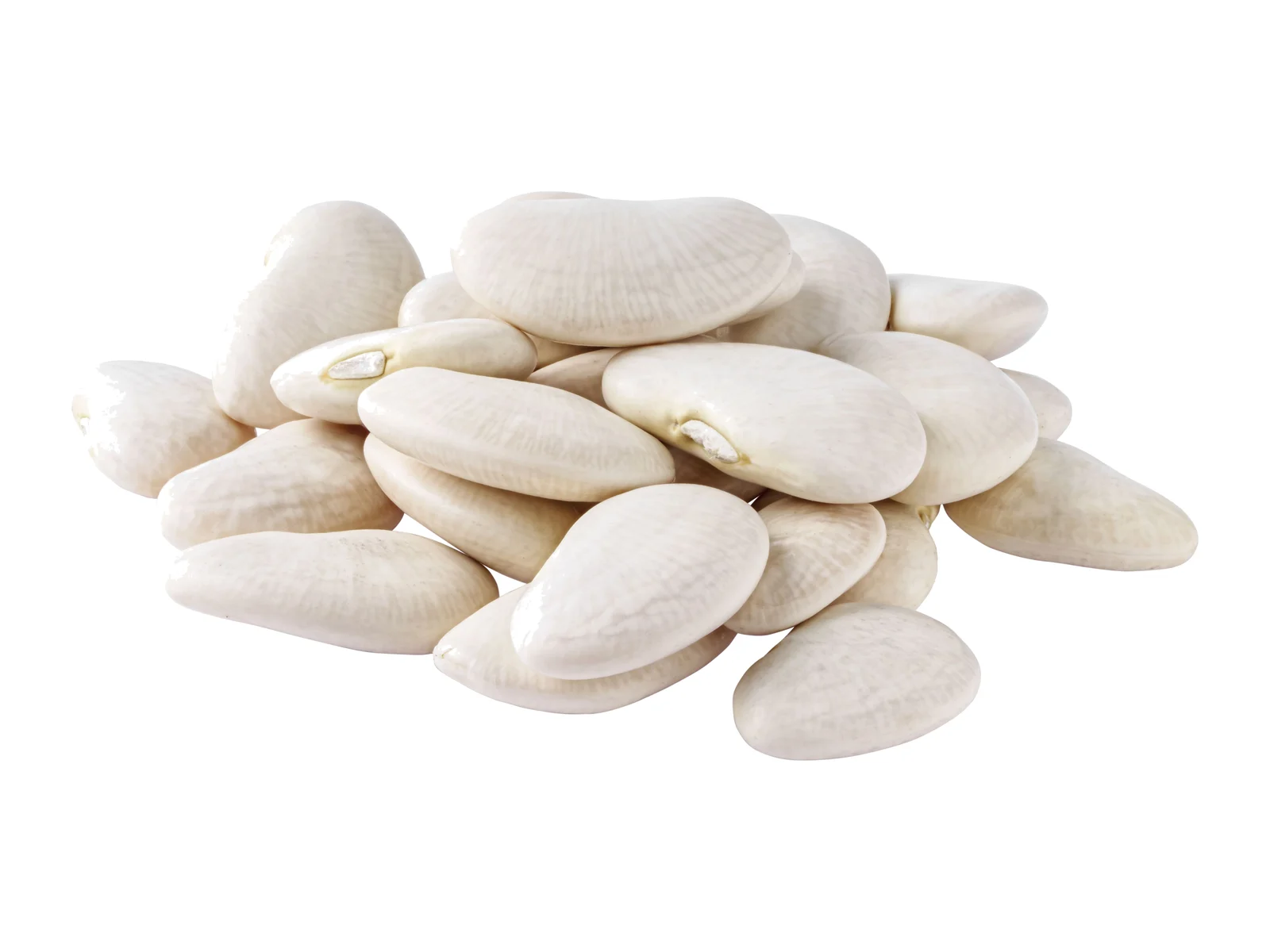
Large White Lima Beans
IQF Ready to Eat · Canned
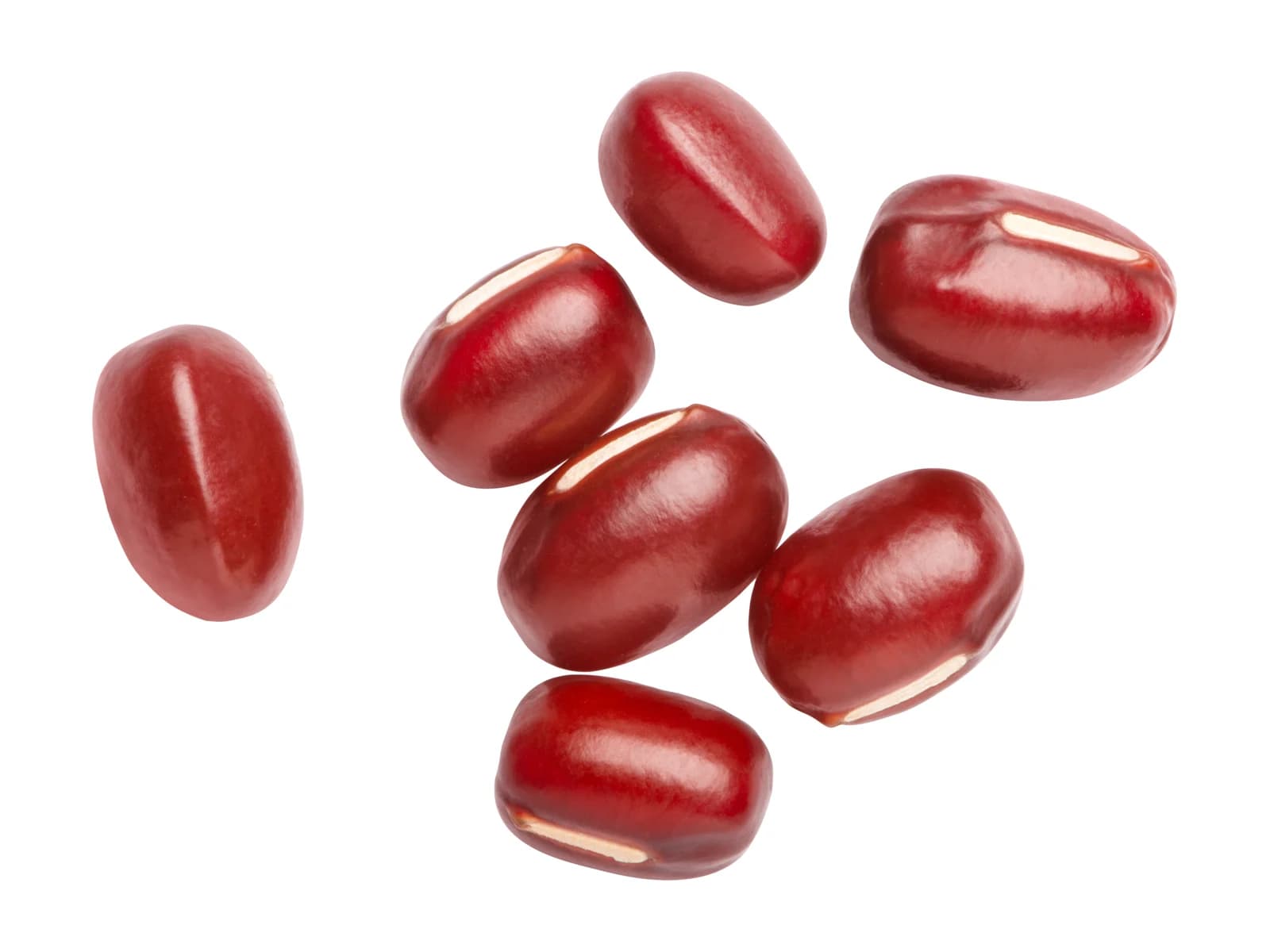
Small Red Beans
IQF Ready to Eat · Canned
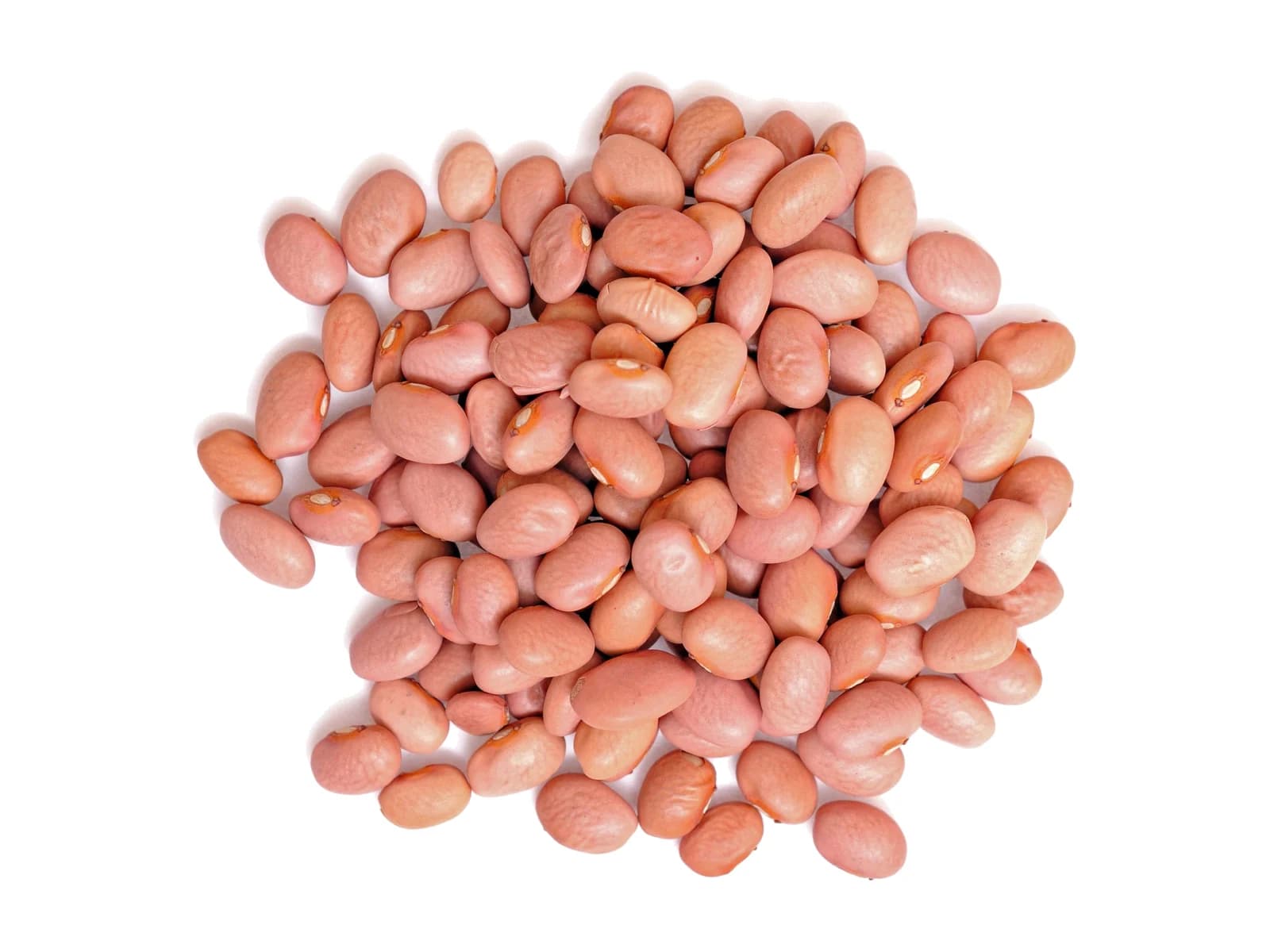
Pink Beans
IQF Ready to Eat · Canned
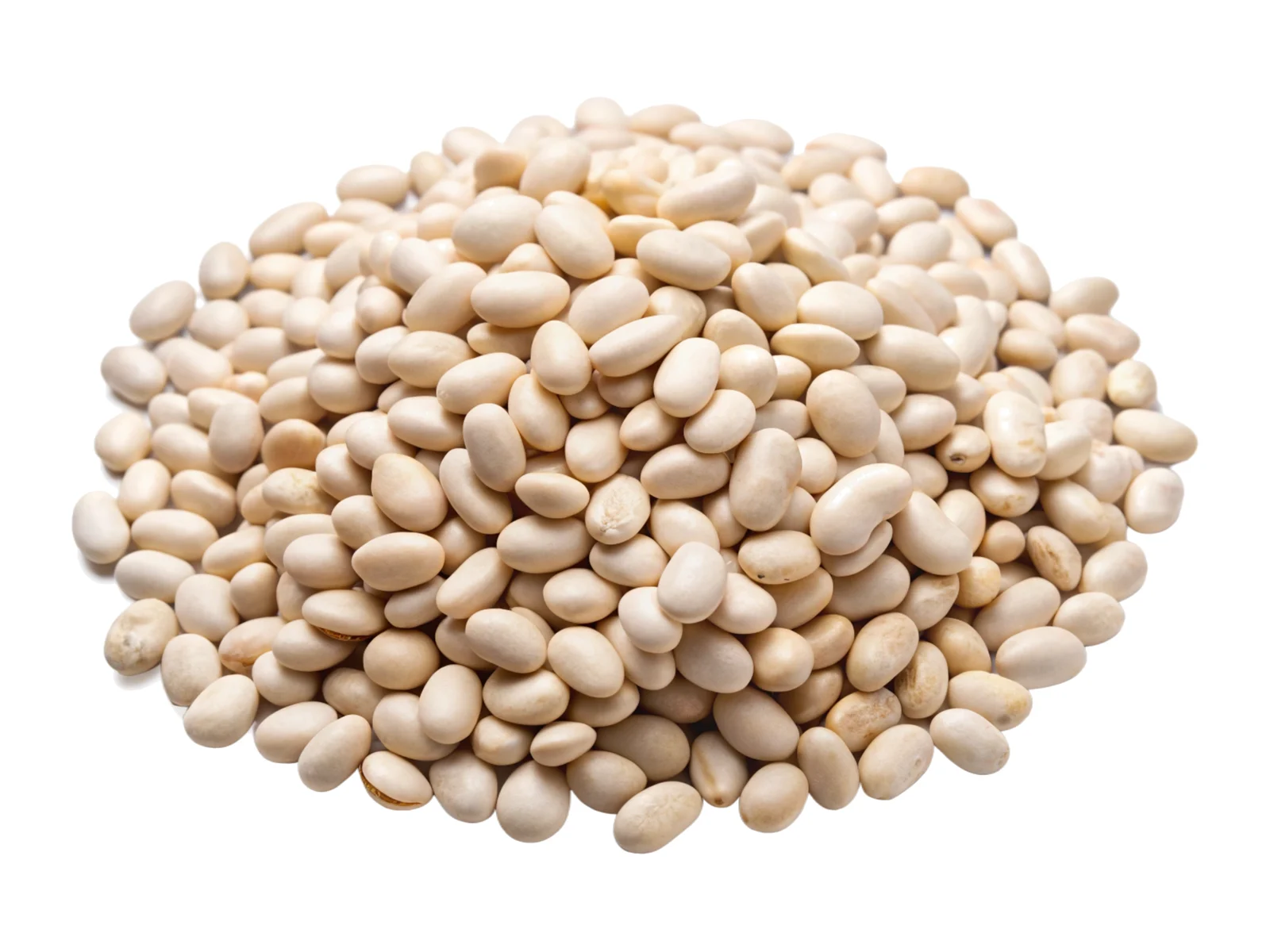
Navy Beans
IQF Ready to Eat · Canned
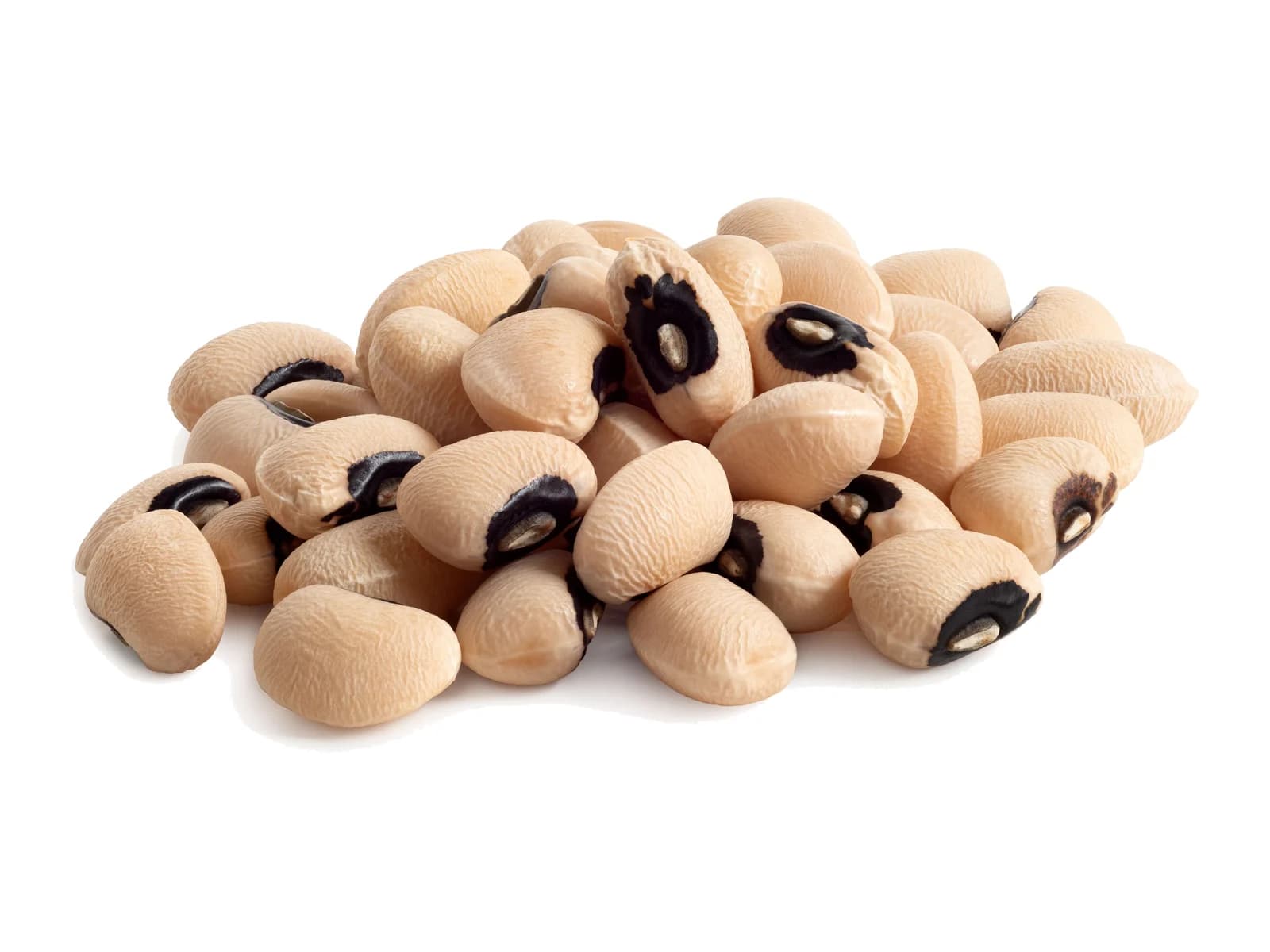
Black-Eyed Peas
IQF Ready to Eat · Canned
Don't see what you need? Ask us — we can usually source it. Or see all formats.