


Ingredient format
Dehydrated
Dried far enough to be shelf-stable: light, compact, and stored at room temperature.
What it is
What Dehydrated means
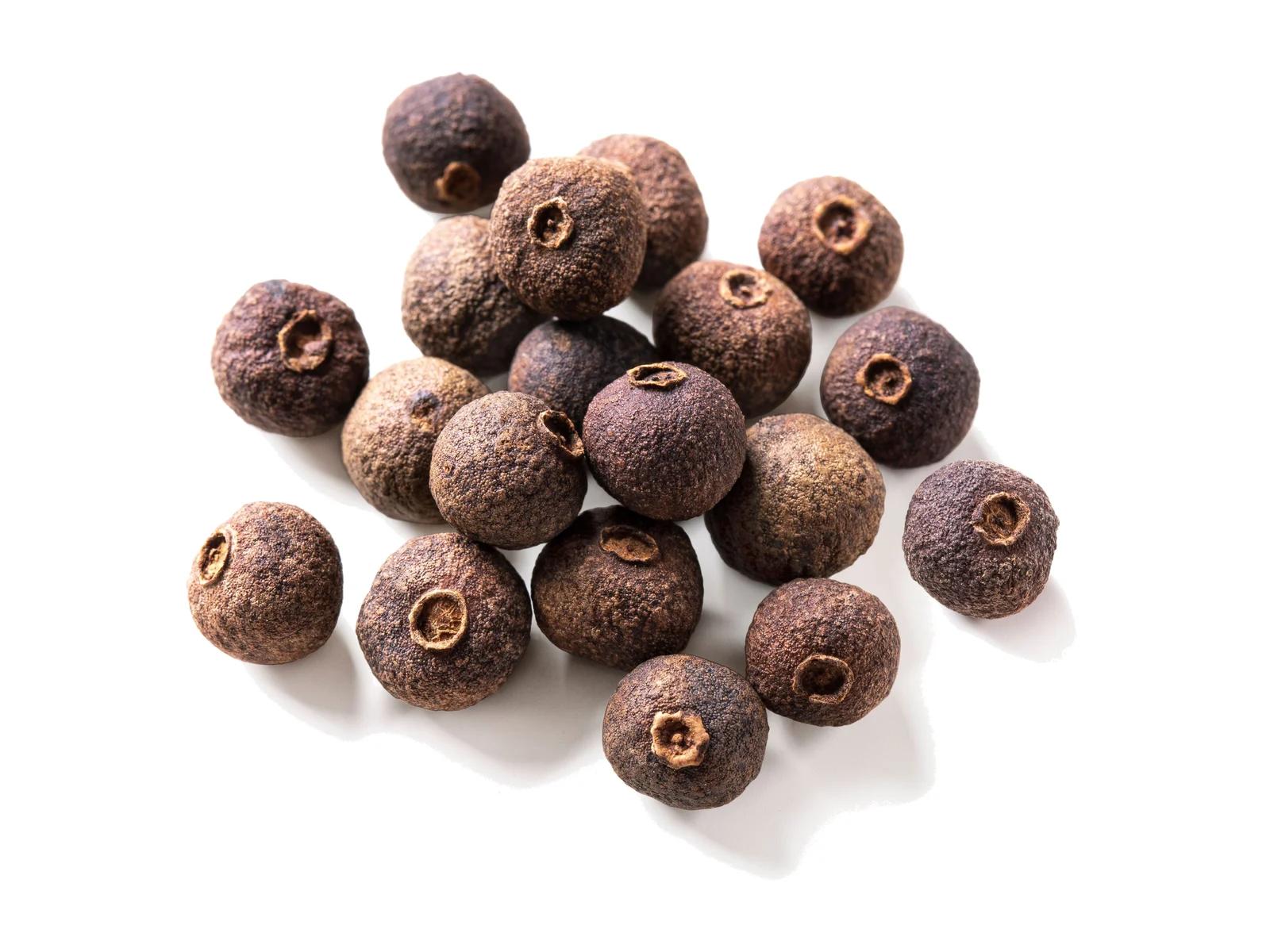
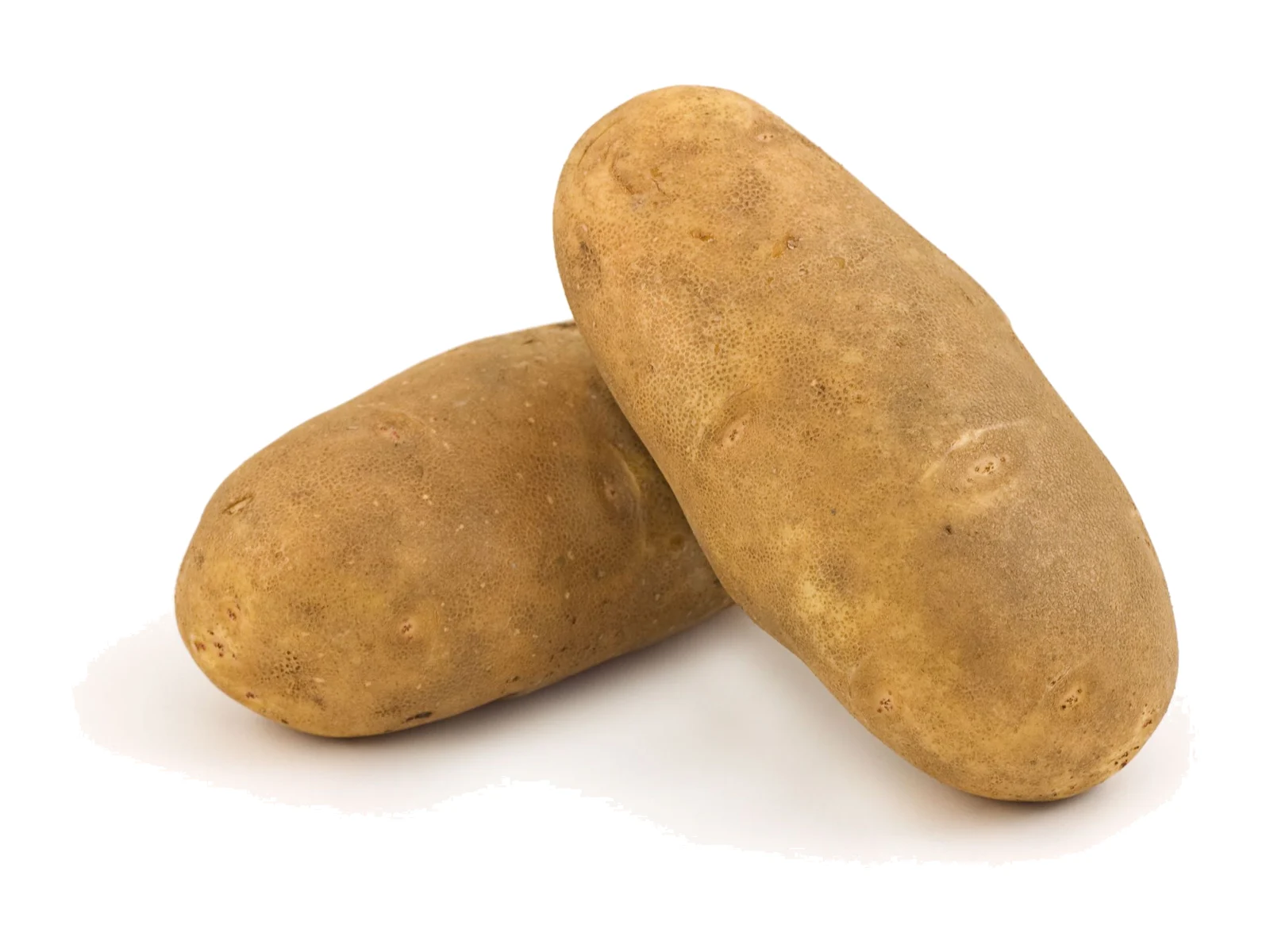
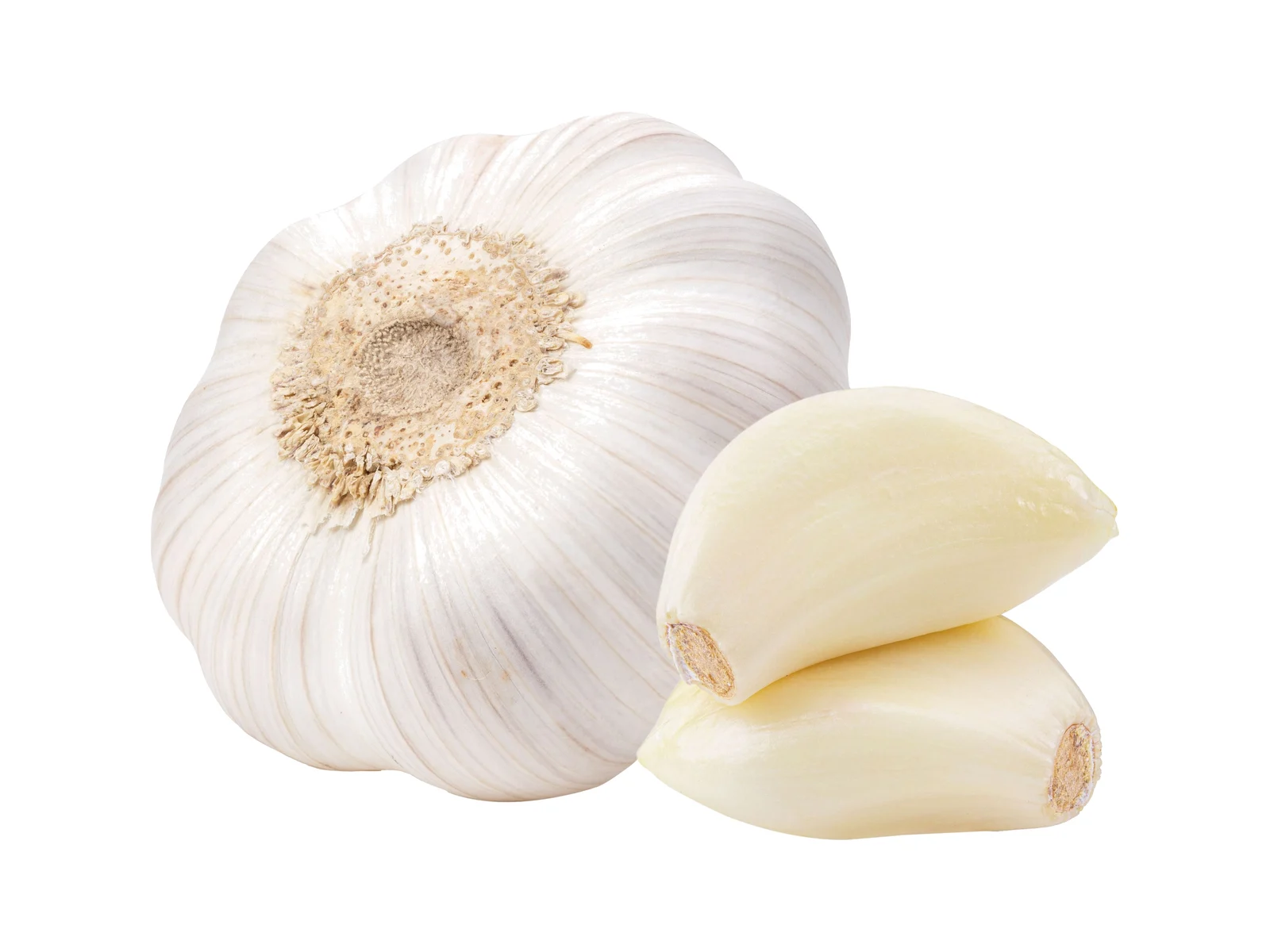
Dehydrated product has had most of its water removed, usually with warm air, so that it no longer spoils at room temperature. It is stored dry, with no freezer or cooler, and keeps for a long time if protected from moisture.
With the water gone it is light and compact, which makes it inexpensive to ship and store. It comes in many forms: pieces, slices, flakes, granules and powders or flours, depending on the ingredient.
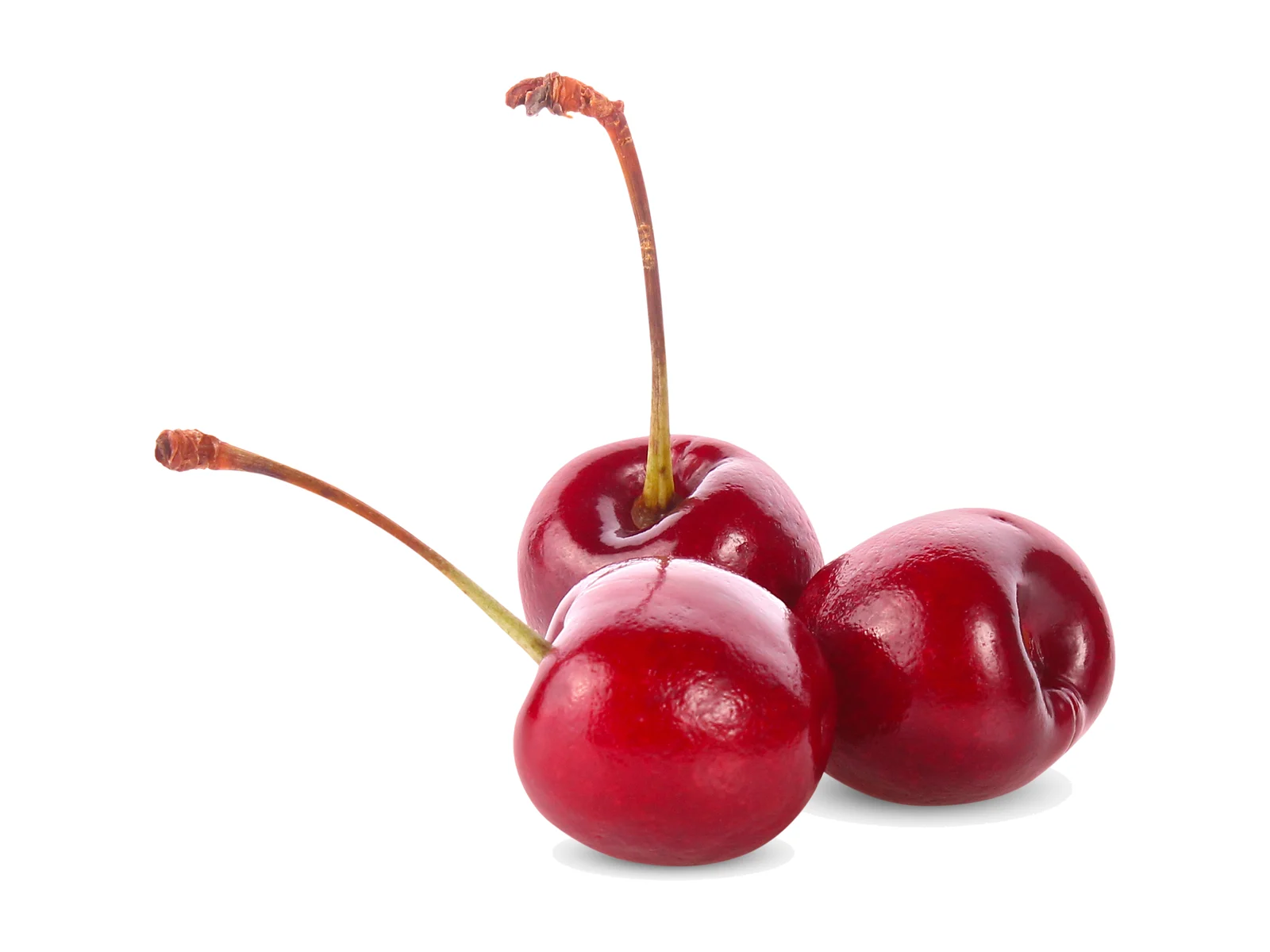
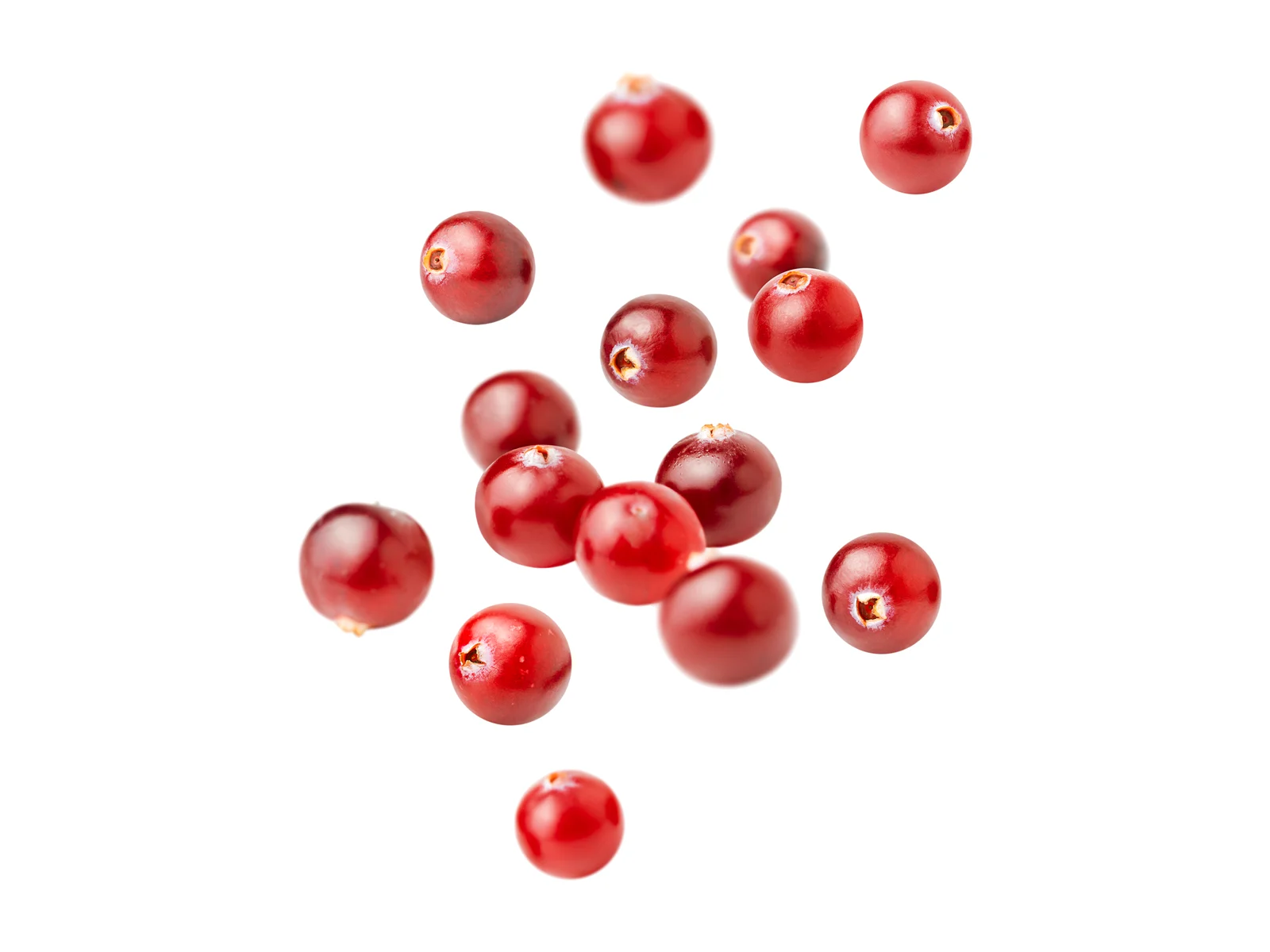
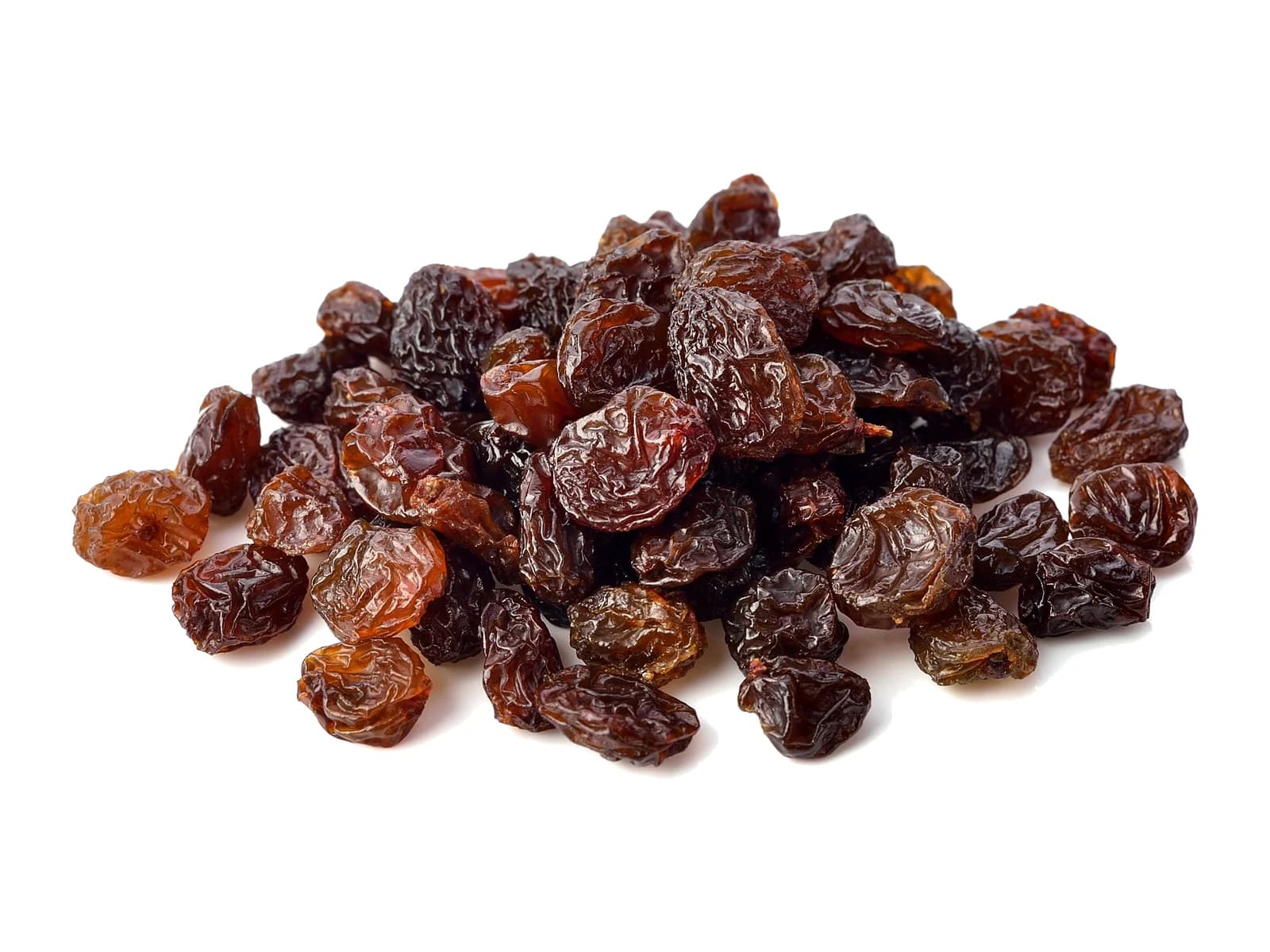
In use, dehydrated vegetables either absorb liquid in the recipe or are rehydrated first. Dried fruits such as raisins, cranberries and cherries are used as they are, and are available both sugar-infused and without sugar infusion.
How it compares
Dehydrated versus similar formats
The formats buyers most often weigh it against, and what actually differs.
Dehydrated vs.
Dehydrofrozen
Dehydrofrozen product has only part of its water removed and is then frozen. It is closer to the fresh vegetable in texture but has to stay frozen. Dehydrated product is dried much further and is shelf-stable.
Dehydrated vs.
Freeze Dried
Freeze-dried product is dried under vacuum while frozen, so it keeps its shape and color, stays light and crisp, and rehydrates quickly. Heat-dried product shrinks more and is denser and chewier, and generally costs less.
Dehydrated vs.
IQF
IQF keeps all of its water and has to stay frozen, but is closest to fresh in texture. Dehydrated product is far lighter and needs no freezer.
In manufacturing
What it's used for
Dehydrated ingredients are used where shelf stability, low weight or a dry mix matter. Common uses include:
- Seasoning blends, rubs and soup and sauce mixes
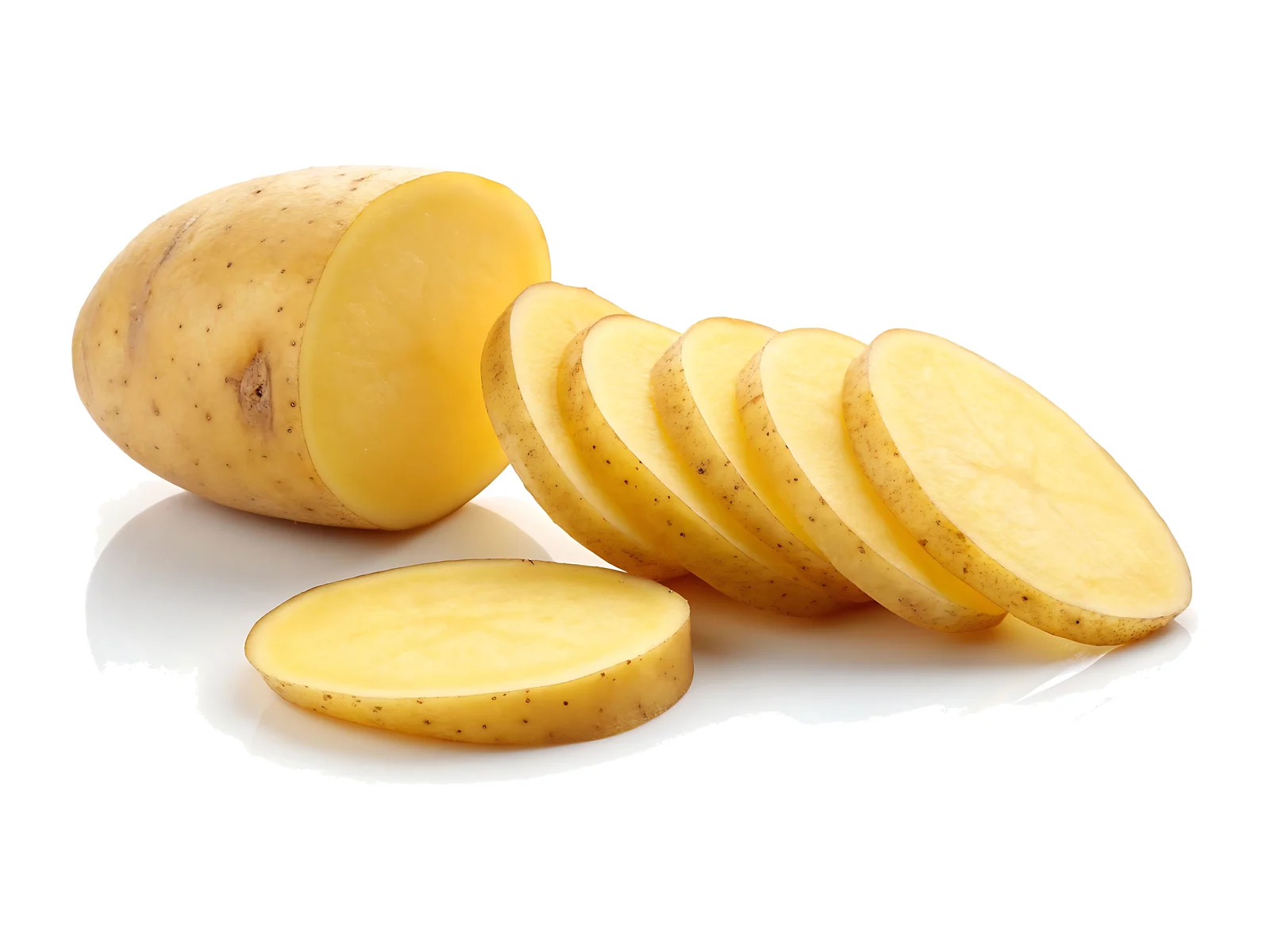
- Mashed potatoes and potato-based products, from flakes and flour
- Cereals, granola, trail mix and snack bars
- Bakery inclusions, such as raisins and dried cranberries
- Soups, sauces and ready meals
What we supply
Dehydrated ingredients
11 ingredients are currently listed as Dehydrated. Cuts, pack sizes and specs are on each ingredient's page.
Vegetables4
Potatoes3
Seeds & Spices1
Don't see what you need? Ask us — we can usually source it. Or see all formats.