


Ingredient format
Dehydrofrozen
Partially dried, then frozen: about half the weight and volume of IQF, and far less water released as it thaws and cooks.
What it is
What Dehydrofrozen means
Dehydrofrozen product is partially dried and then frozen. Roughly 50% to 70% of the water is removed from the cut vegetable, far less than in a fully dehydrated ingredient, and the pieces are then frozen separately, just like IQF.
Removing that water cuts the product's weight and volume by about half, so there is less to ship and less to hold in frozen storage for the same amount of ingredient. The cell walls stay intact, so the pieces thaw without turning mushy.
Because so much of the water is already gone, dehydrofrozen releases far less of it as it thaws and cooks, and that is the main reason buyers choose it. In a cheese dip, for example, it avoids a pocket of water forming in the cheese. On a pizza, it avoids water collecting on top as the toppings thaw. Those are two examples; the same applies anywhere extra water would show in the finished product.
How it compares
Dehydrofrozen versus similar formats
The formats buyers most often weigh it against, and what actually differs.
Dehydrofrozen vs.
IQF
IQF is frozen with its natural water content. Dehydrofrozen has roughly 50% to 70% of that water removed first, so it is about half the weight and volume, and releases far less liquid as it thaws and cooks.
Dehydrofrozen vs.
Dehydrated
Dehydrated product is dried far enough to be shelf-stable and stored at room temperature. Dehydrofrozen keeps more of its water, still has to be kept frozen, and holds its texture when it thaws.
Dehydrofrozen vs.
Freeze Dried
Freeze-dried product has almost all of its water removed under vacuum while frozen, and is then stored dry at room temperature. Dehydrofrozen is only partly dried and is stored frozen.
In manufacturing
What it's used for
Manufacturers choose dehydrofrozen where extra water would be a problem in the finished product, or where freight and frozen storage costs matter. Common uses include:
- Cheese dips and cheese sauces
- Pizza toppings
- Soups, sauces and gravies, where it adds less water to the batch
- Frozen meals and entrées
- Fillings for pies, pastries and savory bakery
- Seasoning blends and soup bases that call for onion, pepper or potato pieces
What we supply
Dehydrofrozen ingredients
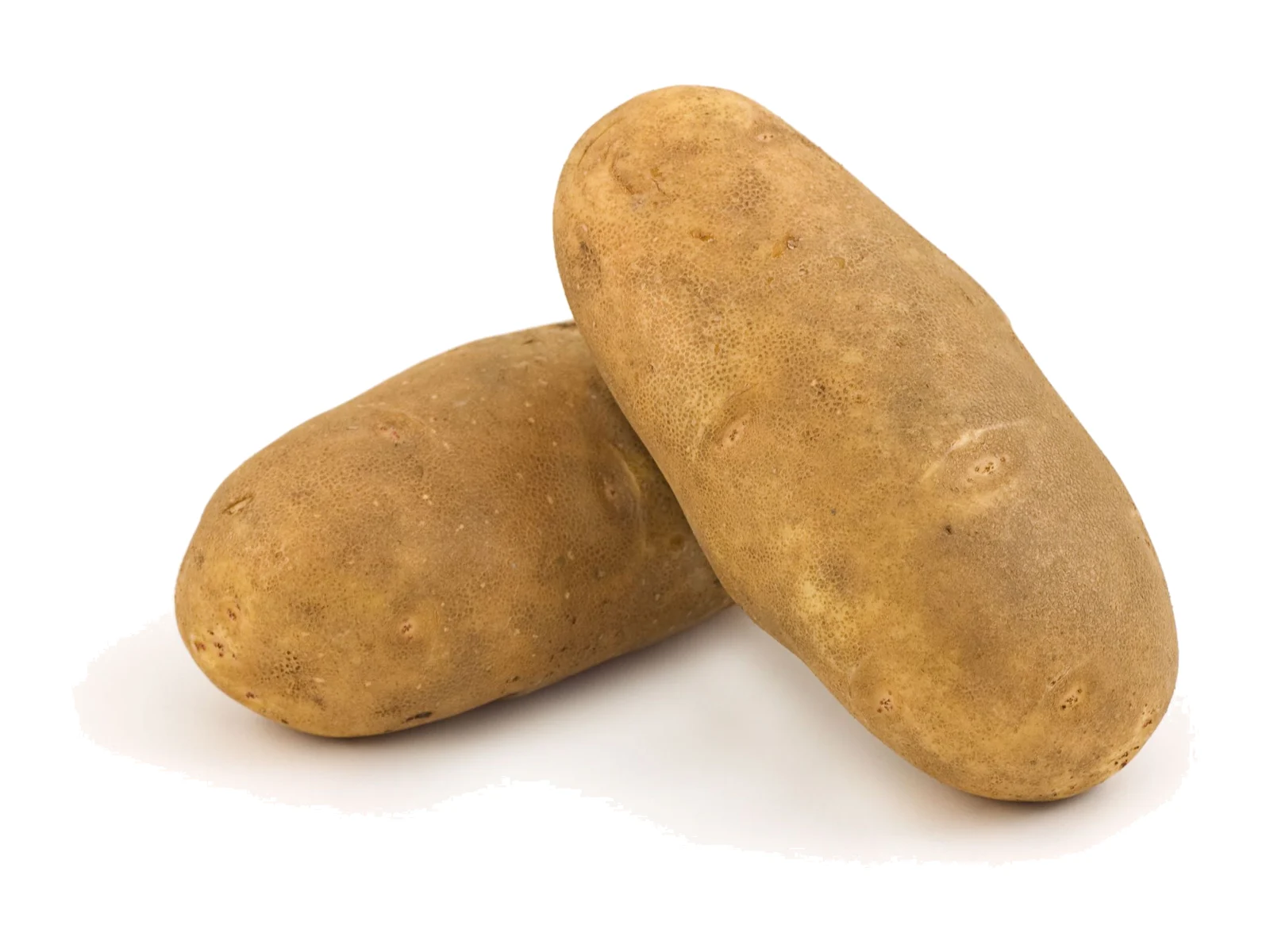
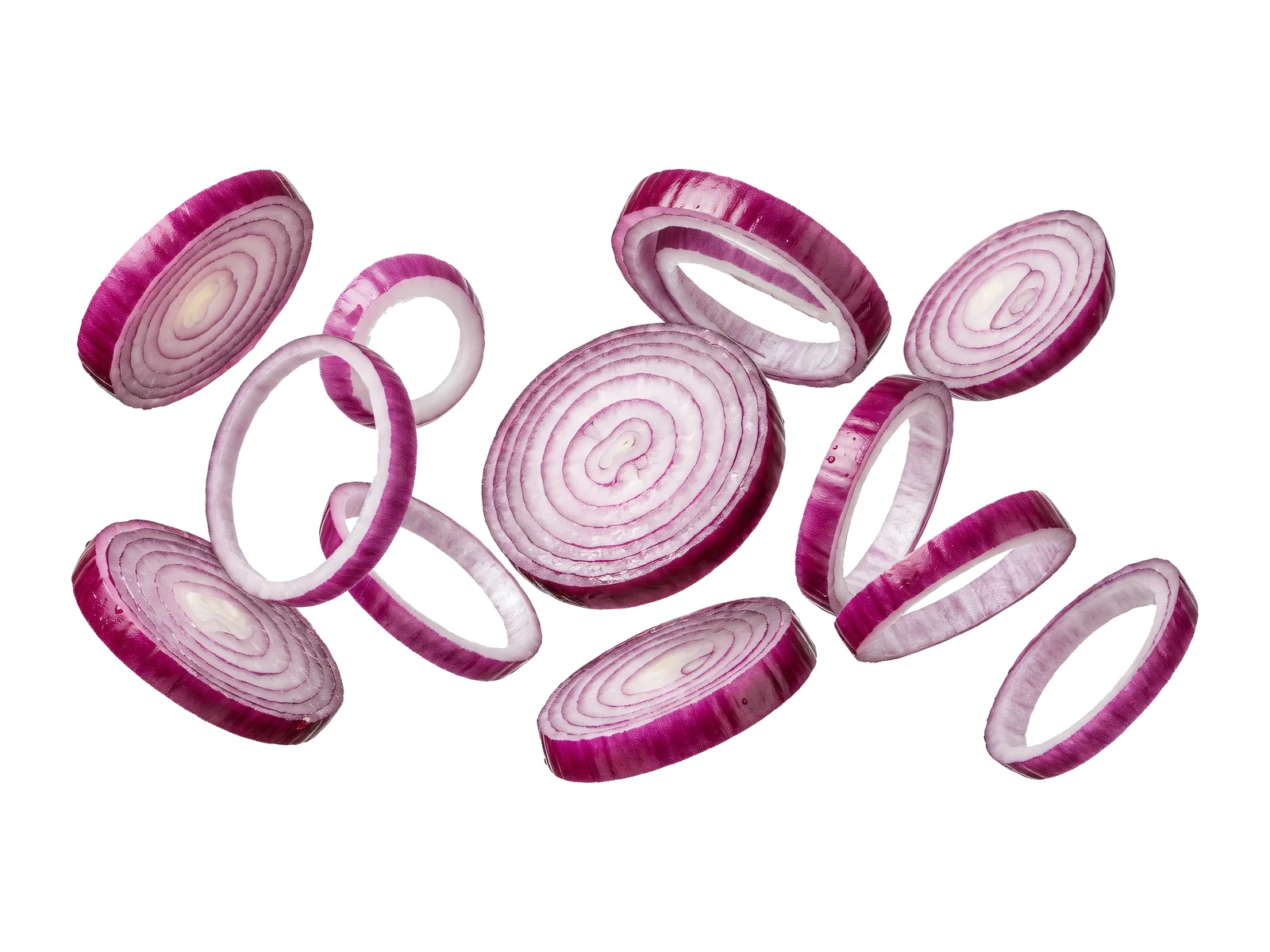
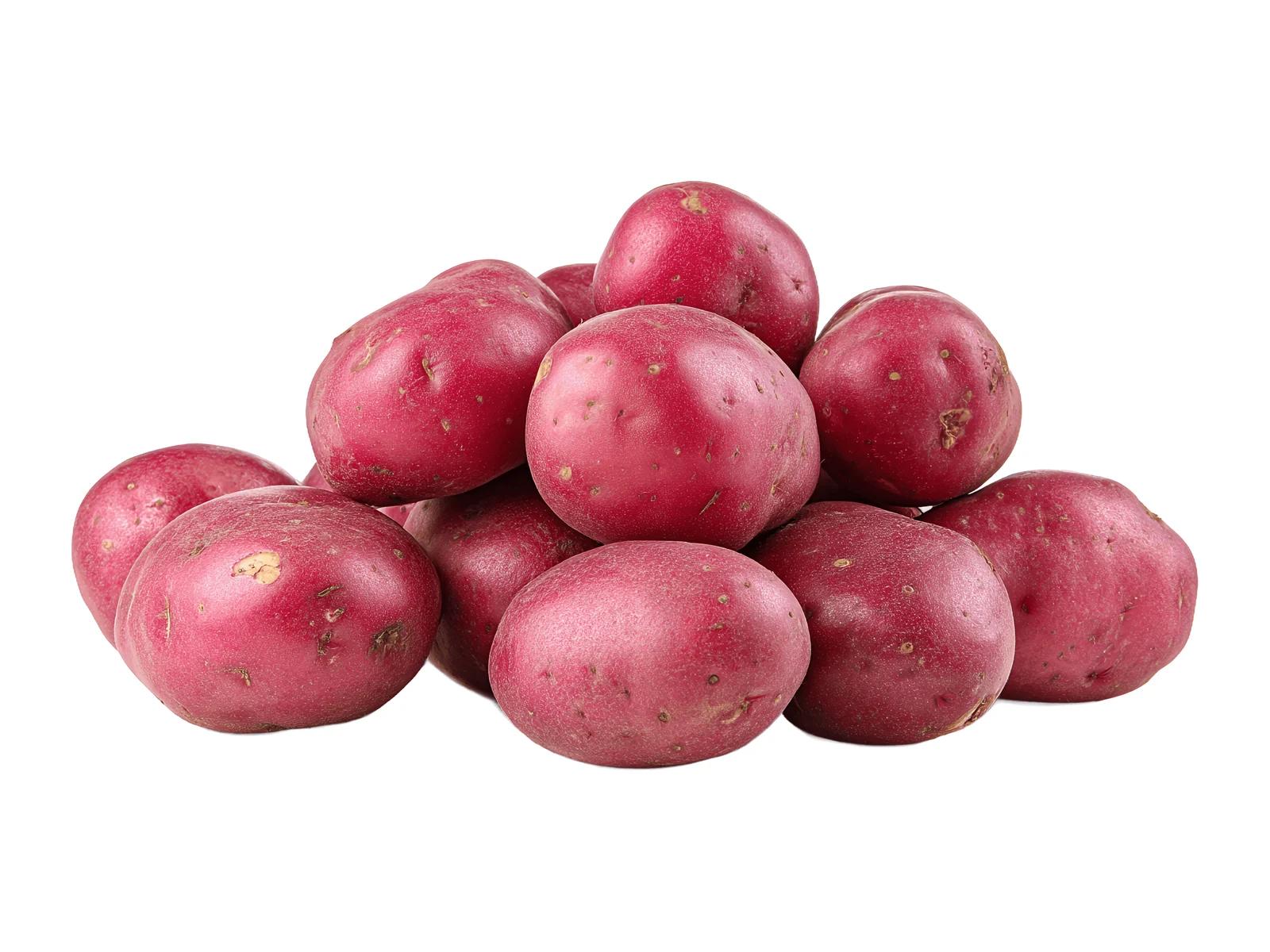
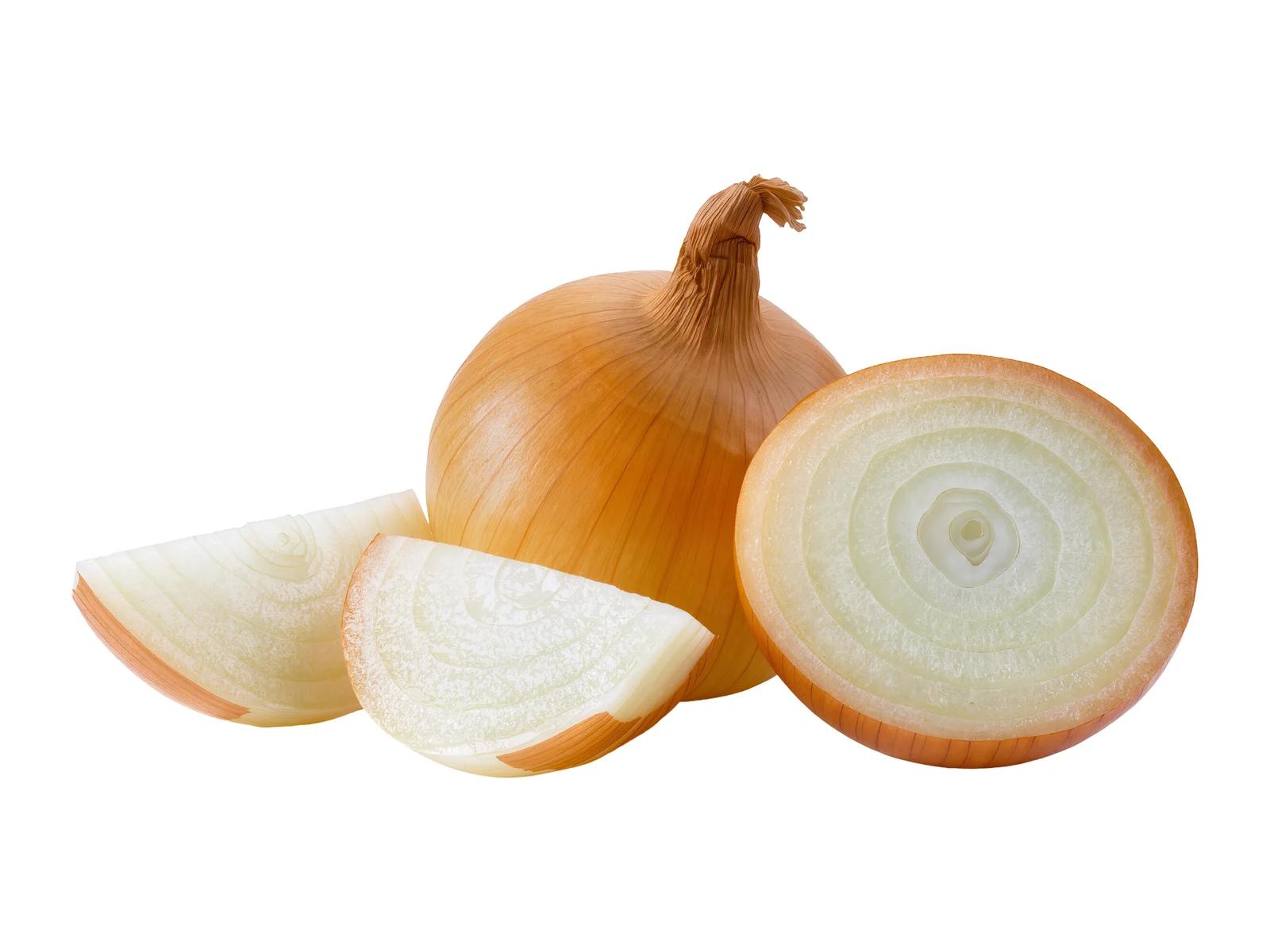
7 ingredients are currently listed as Dehydrofrozen. Cuts, pack sizes and specs are on each ingredient's page.
Vegetables4
Potatoes3
Don't see what you need? Ask us — we can usually source it. Or see all formats.